Organic Growth Podcast: How DSOs Are Evolving: AI, Access and the New Growth Playbook






Recorded live at the McGuireWoods Healthcare Private Equity & Finance Conference, this episode of the Organic Growth Podcast explores how dental support organizations (DSOs) are entering a new phase of growth.
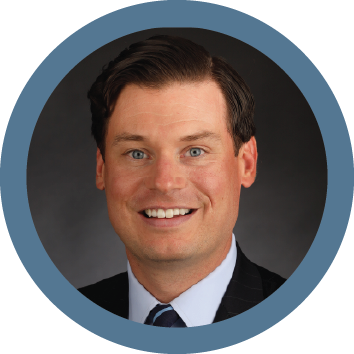
Stewart Gandolf speaks with Andrew Smith, CEO of Association of Dental Support Organizations, about how the industry is shifting beyond rapid deal-making and into a more disciplined focus on operational performance, technology, and patient experience.
While headlines suggest the “DSO boom” may be over, the reality is more nuanced. As Smith explains, the industry isn’t slowing down—it’s maturing.
Why Listen?
- Understand how DSOs are evolving beyond roll-ups and EBITDA stacking
- Learn how AI is transforming both clinical care and operations
- Explore the real drivers of same-store growth and efficiency
- Get a forward-looking view of where DSOs are headed over the next 5 years
Key Insights and Takeaways
- The DSO Boom Isn’t Over—It’s Evolving. While the era of rapid deal-making and high-multiple acquisitions has cooled, DSOs are far from declining. Instead, the industry is entering a more mature phase, where success depends less on aggregation and more on operational excellence. Organizations are shifting their focus toward building stronger, more efficient platforms that can deliver consistent performance over time.
- Operational Excellence Is Now the Primary Growth Driver. Growth today is increasingly driven by fundamentals such as same-store performance, operational efficiency, and smarter capital deployment. Leaders are paying closer attention to how practices actually run—from scheduling and patient flow to revenue cycle management—rather than relying solely on acquisitions to fuel expansion.
- AI Is Reshaping Both Clinical and Business Performance. Artificial intelligence is emerging as a major force across the DSO landscape. On the clinical side, tools like imaging and diagnostics are helping patients better understand their treatment needs. On the business side, automation is improving revenue cycle performance and streamlining operations. Even more impactful is the rise of AI-powered voice and scheduling tools, which help ensure patients can easily book appointments and stay engaged with their providers.
- Patient Experience Is Becoming a Competitive Advantage. Today’s patients expect a more modern, consumer-like experience. They want to schedule appointments online, communicate easily with providers, and manage payments seamlessly. DSOs that meet these expectations are better positioned to capture and retain patients, while those that lag risk losing demand—even if their clinical care is strong.
5. There Is Still Significant Room for Growth and Consolidation
Despite the number of DSOs in the market, the overall share of care they represent remains relatively small. Even the largest organizations account for only a fraction of the total dental market, leaving substantial room for expansion. As a result, consolidation is expected to continue—particularly as smaller groups look to partner with larger, more established platforms.
6. New Growth Levers Are Expanding Access and Acceptance of Care
Beyond traditional levers, DSOs are increasingly adopting new approaches to drive growth. These include advanced diagnostics, aligner therapies, and patient financing solutions that make care more accessible and affordable. By reducing financial barriers and improving patient understanding, these strategies help bring more patients into the system and support long-term growth.
7. The Future of DSOs Will Be Defined by Technology and Talent
Looking ahead, the continued growth of DSOs will be driven by technology adoption and workforce development. More dental graduates are choosing to join DSOs, and organizations are investing in tools and systems that enable scale. At the same time, leadership teams are placing greater emphasis on building high-performing, adaptable organizations that can thrive in a rapidly changing environment.
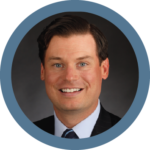
Andrew Smith
CEO, The Association of Dental Support OrganizationsSubscribe for More
Don’t miss future insights—subscribe to our blog and join us on LinkedIn: Stewart Gandolf and Healthcare Success.
Note: The following AI-generated transcript is provided as an additional resource for those who prefer not to listen to the podcast recording. It has been lightly edited and reviewed for readability and accuracy.
Read the Full Transcript
Stewart Gandolf (Healthcare Success): Welcome again to the Healthcare Success Podcast. Today, again, is a special edition in cooperation with McGuireWoods at their Private Equity in Healthcare Conference and also our good friends and content partners with Levin Associates.
And right now, I'm pleased to interview Andrew Smith, who is CEO of ADSO. So welcome. Thanks.
Andrew Smith (ADSO): Thanks, Stewart, for having me. I appreciate it.
Stewart Gandolf (Healthcare Success): That's great. So I've seen you here speak a couple times over the years for sure and a lot's going on in dentistry so I'd like to hear just a quick sort of summary from you right now where are DSO's right now like what's happening these days?
Andrew Smith (ADSO): Yeah no great great question and thanks for having me on and thrilled to be back at McGuireWoods as I mentioned you know, former employee of McGuireWoods so kind of things full circle so I think you know the DSO industry it continues to evolve.
I think you know we saw uh you know from 2019 through 2023 post pandemic you know a really big increase in activity particularly on the investment side and a lot of transactions. You know I think since then there's been a very large focus on operational efficiencies operational strength you know same store sales i think we've seen a rise of specialty practice DSOs you know that continuing to grow.
I think what we're going to start seeing is more consolidation, you know, those folks that have you know 25, 35, 45 offices looking to you know see where there's some strategic connectivity and i think also you know just thinking about the industry is going to keep growing you know we've got a great pipeline of dentists. I think I mentioned to you earlier 40% of dental grads today are going into a DSO and we've seen some information that about 51% of patients are seeing DSO supported dentists so I think you know it's a it's a great time in the industry and I think as the market continues to evolve we're going to continue to see that upward trajectory.
Stewart Gandolf (Healthcare Success): All right perfect and we did talk also about there's a Becker's article about the DSO boom being over and it's there's more detail you have to actually read the article the headline doesn't really say what it's about but I'd love any other comments about that.
Andrew Smith (ADSO): So i think there are a couple things there i think they mentioned you know of course there's been some dynamic shifts within the marketplace coming out of covid when there were higher multiples and you know some you know folks had higher debt leverage, things like that.
But I know that a lot of them are working through that. And I know just recently there's been quite a bit of recent financing that gives those companies more opportunity to rebalance their focus and moving on that.
I think the other piece that we've seen quite a bit is on the regulatory side, right? So there has been quite a bit of focus, bipartisan, on healthcare transactions and the role of private equity in healthcare. Interestingly, dental sometimes gets pulled in, but we're not the target or subject of it.
Stewart Gandolf (Healthcare Success): Yeah, I don't think they're quite the same thing.
Andrew Smith (ADSO): Exactly. And I think the good news is we've been pulled out of that. So I do think, you know, I appreciate that, you know, focus is on DSOs, but I do think when you look at marketplace dynamics and the regulatory environment that we’re in a new cyclical stage and I think we're going to continue to grow.
So I think, listen, I think what is over is the racking and stacking of EBITDA and the more focused on operators. And I think those, like in any other sector, the more operational efficiencies and synergies and the use of technology of AI is going to keep propelling the industry forward. So I think certain phases of how the industry grew previously are done, but I think we're in a very strong spot moving forward.
Stewart Gandolf (Healthcare Success): And I think it's actually predictable. You'd see phases, right? Nothing stays the same, right?
Andrew Smith (ADSO): Yeah, so I feel positive about it.
Stewart Gandolf (Healthcare Success): So how are DSOs growing today?
Andrew Smith (ADSO): Yeah, great question. I think one of the things, we just hosted a technology summit in Las Vegas where, no surprise, AI was front and center, both on the clinical and non-clinical side. So I think you're going to continue to see DSOs deploying that technology, whether it be imaging, which the patients are really demanding now to kind of see, hey, is this treatment necessary? Do I need this? If I don't treat it, how do I go? The AI shows that. It shows the kind of issue with thebteeth.
I think on the business side, revenue cycle management and using that automation is only making things more efficient to drive that connectivity between service and payment. And then what's really interesting and exciting is AI on the voice side.
So again, of course, patients that are coming in want to engage with the dental office just like they would engage with Amazon or other types of consumer products. And that's a huge driving force to make sure that patients are getting scheduled, that if missed appointments occur, that people get scheduled again and driving that. So I think that's a huge focus, right, is driving the use of technology.
And I think, of course, everyone's been saying this the last couple of years, but it's still very important is the same store growth and creating those efficiencies. And how are you looking at that? And I think also people are being smart with their capital, where to deploy it, how to grow, how to partner with stuff. And I think you're going to, like I said earlier, you're going to see some consolidation occur.
Stewart Gandolf (Healthcare Success): So it just makes my heart warm to hear you talk about the phone part of it, because that is such a critical part. For years we've been doing this, and there was no solving.
Being a marketing agency, we'd send hundreds or thousands of patients. Nobody would pick up the phone. Over the last 20 years, there have been recordings. Nobody listened to them. You didn't realize you had a problem. I even thought about buying a phone center once. But that's very labor-intensive and bad. And so it's just really difficult. The idea of the voice bots being able to answer calls.
You mentioned also scheduling, filling schedules, recalls. All those basics, getting better, are so important. It's funny, we just got... actually responding now to a RFP from a DSO where they brought up all these things like they want to stop their marketing but they want to make sure they have emails in place and text and and so it's getting better for sure.
Let's talk about the consolidation environment there's so many DSOs out there and you're much closer to this than me. yeah like this it's different than PPM so I don't see the same thing where you have I don't know. How many DSOs would you guys even estimate there are? 200 maybe? I don't know. It's a lot.
Andrew Smith (ADSO): Well, it's interesting. So, like, if you look at something, you know, it all calculates, like, how do you define when you become a DSO, right? Okay, that makes sense. So, if you're saying, like, you know, three or more practices, I think some folks have said north of 1,000 are out there, but a lot of folks... don't even categorize themselves as a dental support organization.
Stewart Gandolf (Healthcare Success): It's a dental group.
Andrew Smith (ADSO): A dental group. If you have a centralized back office and you're doing that, I mean, I could even make a joke that as soon as you take on an associate dentist, a hygienist, or a front office, you're technically a DSO. But I think what we're looking at is probably at least in that 300 to 500 range of those that are probably 10-plus practices.
Stewart Gandolf (Healthcare Success): Got it. And so are you seeing a lot of consolidation right now?
Andrew Smith (ADSO): Well, we're seeing that consideration. I think what we're starting to see, well, let me back up. It's different based on, I think, the type of practice, right, or scope of practice. So if you're a specialty group, we're starting to see a lot of specialty groups that have been independent, partnering with dental support organizations, and we've seen that as kind of that, you know. adding into that, that aggregating. I think what we're starting to see, and I've been seeing, is that some of the smaller size DSOs are looking at partnering or looking to sell into larger DSOs.
What's interesting, though, is when you look at, there's a ton of white space. So when you add up, I would say, three of the larger DSOs, each of them are less than 2% of the overall oral healthcare marketplace. Even if they can't bind, they'd be 6%. So there's a lot of opportunity to grow, and I think people are just making sure that there are those kind of synergies.
So I think we're at the early phase. I haven't seen a ton of it yet, but I think that's what the anticipation is. And I think also people are looking at picking up assets from existing groups by saying, okay, this fits. Let me take that on. So we'll kind of see how it goes.
Stewart Gandolf (Healthcare Success): That totally makes sense. Are people still creating DSOs? Are you still getting...
Andrew Smith (ADSO): Yeah, absolutely. I don't think it's as rapid of a clip because there is that significant growth there. But I think you're starting to see more and more groups coming into fruition. And they may not call themselves traditionally a DSO, but have the same kind of concepts. And that's great. I think whatever makes it more efficient for the dentist to do the... clinical side and the support that they get from the business as well as patients, that's important.
Stewart Gandolf (Healthcare Success): So our podcast today is all about organic growth. You've already talked about some of the levers, but any additional thoughts on levers where DSOs are really thriving? You've already shared a couple of them, but any additional ones?
Andrew Smith (ADSO): Yeah, so I think a lot of it has to do with... Outside of just AI, I've started to see a lot of folks deploying other types of testing, salivary diagnostics, for example, kind of testing the bacteria in your mouth that can look at early onset periodontal disease and also can look at other types of medical issues.
We're starting to see quite a bit of that being deployed because I think when the patients see that they have a high level of bacteria in the mouth, they understand that they need to get that treated. You know of course aligners continue to be a driving force and I think the people are looking at when and where do they need that.
The other piece, though, too, and a lot of DSOs are doing this, and when I talk to policymakers, this is a good thing for getting people into access, is patient financing, right? Affordable ability to get care, because as we know, the current system of payers, if you're coming in and you're in pain, you need a root canal or a tooth extracted and the tooth is no longer able to be there, it's expensive, right?
And so a lot of insurance doesn't cover that, and so we're starting to see financing help drive care because that's what patients need and there's that void. And I think that's another level that we're seeing in terms of patient acceptance and growth, which is, in my opinion, getting more people into care is positive.
Stewart Gandolf (Healthcare Success): You know, it's funny. We've been doing dentistry for many years and seeing the growth of even inter-oral camera in the day was like such a big deal to show and sell additional dentistry and the different technologies. It's interesting to hear that still happen.
What do you expect in the next five years or so? Outlook.
Andrew Smith (ADSO): Yeah, I mean, listen, I think more and more dental grads will continue to go to DSOs. I think at some point within the five years, we'll be closer to the 50% plus grads will go into a DSO. You know, patients are demanding modernization and consumerism of what we were talking about earlier before.
Like, I want to be able to make an appointment on my phone, on the app. I want to be able to pay on the app. I want to be able to pay. I think you're going to continue to see technology driving and more and more patients coming into that. I do think we're going to continue to see some of these DSOs come together, maybe some larger ones coming together with our synergies. Perhaps, I don't know yet, but will there be more specialties and general dentists coming together?
I mean, creating that, I think that's to be determined. So, you know, I think there's going to be a lot of that. And I think also people are going to be really focused on the operational excellence of the DSO and not just about like putting things together, but that operational excellence and operators and having the really know-how teams.
Stewart Gandolf (Healthcare Success): Two last quick questions. Excuse me. Priorities you would recommend if you're a CEO of a DSO based upon working with so many of them?
Andrew Smith (ADSO): Yeah. I think, you know, listen, I'll put a selfish plug in for ADSO. I think, you know, being part of an organization like ADSO is very, very important for a few things. One, you know, we help mitigate regulatory risk and also look at opportunities of, you know, where can we help your business grow on the revenue side? How do we help promote workforce? I'd also say, too, engaging in peer-to-peer. You know, networking and best practices is huge, something that ADSO does. I think those are some components.
But I also think, too, just thinking through how do you, you know, think about growing. You know, think about growing strategically. How do you partner? How do you make sure that you're not overpaying? All that stuff. Again, selfish plug for ADSO. We really help kind of thinking those CEOs through connectivity, through vendors, through their fellow peers. So I would look at those. Those are key things. And it's, you know, important to connect on that.
Stewart Gandolf (Healthcare Success): So last thing, tell us about your annual conference. Happens to be here in Chicago.
Andrew Smith (ADSO): Absolutely. So, you know, I grew up here in Chicago, so it was really nice to see it here. So we're going to be June 15th, 16th and 17th. This is our 15th anniversary of the event, which is hard to believe. And we're putting a very, very big focus on the DSOs bringing their management and C-suite teams together.
So the genesis for that was, the CEOs who were starters and founders of ADSO in the industry really felt that they grew collaboratively by basically getting together. So they believe that the management teams need that as well. So we're going to have some great content talking about value creation today. A lot of what we were talking about.
How do you build high-performing teams? How do you build teams that are adaptive and growing. One of our keynote speakers, John Rossman, wrote a book called The Amazon Way from his time at Amazon and really looking at that. I think we're going to be hearing also a lot about marketplace and what the investors are demanding.
But then we're going to be bringing together all of those team members to talk about real world solutions and the vendors and partners they're working with. No surprise. We also have a big focus on AI in many sectors, clinical, non-clinical, but not just about, hey, this is important to do, but like how do you actually commercialize it and scale it to make it worthwhile within your organization. And you don't need to be just a big DSO, but any size, you're going to need that.
So I think it's great content. It's put together by the CEOs of the industry. And it's the only place you're really going to have the DSO leaders in one room there and connecting on all of that front. So I'm excited about it. It'll be great.
Stewart Gandolf (Healthcare Success): Perfect. Thank you, Andrew. This is great.
Andrew Smith (ADSO): Thanks for having me. I really appreciate it.
Stewart Gandolf (Healthcare Success): That’s all for this one. Thank you, guys.