
How AI Phone Agents Can Improve Healthcare Marketing Results, Operational Efficiency and Patient Satisfaction
What happens when your healthcare marketing succeeds, but your teams aren’t trained or scaled to keep up with patient demand?
AI phone agents promise to finally address healthcare’s biggest source of patient dissatisfaction: the difficulty of scheduling appointments.
Press Ganey calls appointment scheduling “healthcare’s Achilles’ heel,” with more than a third of consumers citing it as their top frustration and primary barrier to receiving care.
At the same time, one of the most persistent obstacles to healthcare marketing success is an inability to successfully answer phones. Marketing drives demand and patient inquiries increase, but unanswered calls remain the most expensive gaps in patient access and experience.
In this episode, I sit down with Aqeel Shahid from IntelePeer to explore how healthcare leaders are using AI phone agents to improve access, reduce staff strain and modernize the patient experience. Rather than hiring more staff, building bigger call centers and repeating endless training cycles, AI phone agents can scale instantly, answer every call and handle routine scheduling and intake at a fraction of the cost.
Why Listen?
- Learn how healthcare providers can use AI agents to improve patient scheduling, boost the patient experience, optimize marketing results and reduce costs.
- Understand why front-office strain is a leadership issue, not just a staffing problem.
- Discover how AI can successfully integrate with online scheduling as well.
If you’re a healthcare leader looking to strengthen patient access and operational effectiveness, this episode is for you.








Key Insights and Takeaways
- Address operational bottlenecks in front-line teams
Identify and resolve staffing, training and workflow gaps that impact patient access. - Use AI to scale operations without sacrificing patient experience
Create systems, processes and consistency across locations while keeping staff and patients satisfied. - Use data to drive smarter decisions
Measure call volumes, workflow patterns and staff performance to optimize operations at scale.
- Improve access and outcomes
Increase call answer rates, reduce wait times and see measurable ROI as front-office operations become more effective. - Prepare for the future of patient engagement
Explore strategies leaders are considering to scale operations and enhance patient experience as expectations evolve.

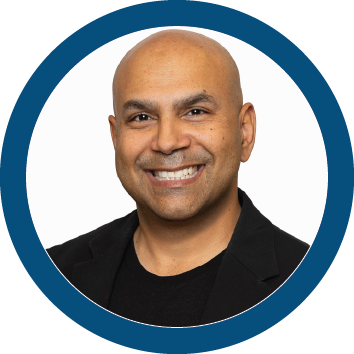
Aqeel Shahid
AI Leader, IntelePeerAdditional Resources:
- Listen to IntelePeer in action with this recorded interaction.
Subscribe for More:
Don’t miss future insights—subscribe to our blog and join us on LinkedIn: Stewart Gandolf and Healthcare Success.
Note: The following AI-generated transcript is provided as an additional resource for those who prefer not to listen to the podcast recording. It has been lightly edited and reviewed for readability and accuracy.
Read the Full Transcript
Stewart Gandolf (Healthcare Success)
Hello, everyone. Welcome to the Healthcare Success Podcast. I'm here with another distinguished guest, Aqeel Shahid. Welcome, Aqeel.
Aqeel Shahid (IntelePeer)
Hi, Stewart. Thanks for having me.
Stewart Gandolf (Healthcare Success)
I first met Aqeel through some of his colleagues at a conference. We were at one of the big private equity meetings. And in conversation, we started talking about AI. We ended up having a long dinner and it was fun. And then I got to meet Aqeel subsequent to that. And Aqeel and his team at IntelePeer are solving, one of the things they're doing with AI, is solving probably the biggest problem I've had in my career working with healthcare businesses, hospitals, and multi-location practices, and that is, how do you answer the phone?
Aqeel, I could commiserate with you for hours on the challenges we've had over the years. To set this up a little bit for our listeners, AI obviously can do a lot of things, right? And it does, and it does in all kinds of creative ways, and there's a million different ways AI is being implemented these days. And even within healthcare, you can use AI to revenue cycle management. There are many ways people are using it for revenue cycle management, which is really important. You can use it for notetaking for the providers.
There are many different applications. But the one we decided to talk about today is, you know, the call center and how can we start integrating AI agents or robots to be able to talk to people in a way that feels natural. That's seamless, and it's such a big deal. So, first of all, Aqeel, welcome again. And can you tell us a little bit about your background and some of the very high level, I'll drill down, but some of the work that you guys are doing in this category?
Aqeel Shahid (IntelePeer)
Yeah, absolutely. And again, thanks for having me on the show. Super excited that I'm on the show here with you.
But, you know, to your point, Stewart, there's been kind of this evolution that's been happening in the space, obviously. AI has been around for some time, but there's also a lot of buzz and a lot of noise going on in the space around what AI is and how people are using it and the benefits that organizations are actually achieving from it. And so, at IntelePeer, what we're really doing is helping automate that front-end journey for organizations, right? Really improving the way and how patients and customers communicate with either a practice or any kind of organization. And a lot of that mundane tasks that would normally require a live human to do can now be automated leveraging AI solutions, right? And technology has come a long way, right? No longer does it sound like a robot on the other end, right? It sounds more human. It sounds more natural. It's definitely far more attentive now and it understands intent. So, you don't have to say just the same exact keywords for it to understand what you're saying. So that's what we're really helping solve is helping solve the journey that customers have to go through or patients have to go through when they're calling into a practice for simple mundane tasks, right? And simplifying that overall engagement.
Stewart Gandolf (Healthcare Success)
Great. So, you know, kind of going back on the problem from my selfish standpoint, you know, again, having done this for years, the operational side of things like billing or, you know, calls or, you know, people looking for a job calls, those are all important, but from us as an agency standpoint, the biggest thing is You know, we're paying, people pay us, they pay Google, they pay Facebook, right? There's substantial investment to go make the phone ring with new patients. And then also, we'll talk more about recalls and other things, but just for the sake of ease right now, inbound inquiries about doing business. And the experience here, Aqeel, with the, you know, sort of analog world is just awful, generally.
So sub-businesses, even if they're multi-location, drive calls to each individual office, which is just a total prescription for failure. They can drive them to a call center, which can be better, but oftentimes it's still challenged. And so, you know, like we've had clients where we spend hundreds of calls to a few of their practices on a test basis, and they don't track a single converted patients because they can't answer their phone. O a day-to-day basis at a local office, they have patients or the front desk staff is supposed to answer the calls, check people in, check them out, do bookkeeping, order pizza for the office party, you know, and then, you know, in between all these 75 tasks, answer the phone, which, of course, it's a disaster. And they're typically the least paid, least trained people. And so, you know, what is the experience? Doctor's office, please hold, or nothing, right? It's lunchtime, so nobody picks up at all. And then, of course, you have different people quit. You've got attitudinal problems. You've got people with some skills are more skilled than others. And, you know, and then there's a limit on how many you can handle at a given time. With AI, all of that goes away. Nobody goes on vacation. Nobody has an act period. Nobody calls in sick. You don't have to start all over again, train somebody new, you know, like all of that. So, in theory, it's amazing, right? Like you can scale. Suddenly, instead of taking, you know, one call every five minutes, you can take a thousand in five minutes, right?
Aqeel Shahid (IntelePeer)
Exactly.
Stewart Gandolf (Healthcare Success)
So, the promise is insane. And we can finally solve. It's kind of like the last mile, Aqeel, when you talk about the last mile. On the internet, it's like, well, it's great out on the street, but that last mile is very expensive and difficult. That's really what this is with the phones.
Aqeel Shahid (IntelePeer)
Exactly.
Stewart Gandolf (Healthcare Success)
I'll stop the rant in just a moment, but I literally had thought about for years buying my own call center to handle this. It's just a low margin, terrible business, and so I chose not to do that. But I just think this is the greatest thing I've seen in marketing in years to really help. Because if we can solve this problem, it's a big deal to help the marketing work, not to mention all the operational issues. With that sort of long intro, but I just want to set how important this is. From your guys' standpoint, what are the types of calls and where do they struggle? Maybe add on to what I say and have some additional insights because you're looking at the broader picture than just inbound inquiries.
Aqeel Shahid (IntelePeer)
Yeah, no, 100%. Absolutely. mean, you summarized it well. I mean, organizations spend so much money on all the marketing and all the things that you mentioned that they do up front, but they don't staff accordingly to handle the volume that comes in. And again, the biggest expense for any organization is the actual people that they're hiring, and all the other challenges associated with training them and getting them up to speed. What we're seeing as far as the types of calls that we're handling, outside of just the common inquiries you mentioned, right? But in a healthcare organization, it's that appointment scheduling, rescheduling. It's a very common component, but it's also one of the most important revenue generating elements for an organization because every missed call means a missed appointment, delayed care, lost revenue, right? And then, you know, very likely the patient's going to get frustrated and probably call the next practice or, you know, and so on and so forth. You're losing that overall, you know, experience with the patient because of it. We see that as one of the biggest things that people are calling in for prescription refills. I mean, I've, as a patient, they typically get frustrated too, because all I want is a prescription. But I got to talk to a nurse, and I got to talk to the doctor. And it just prolongs the overall process. simple things like that can now be completely automated, right? Billing inquiries and payment reminders. That's another big thing. You mentioned revenue cycle management earlier, but that's a big component of it too. Not only can it do inquiries and patient reminders, but it can also do collections as well. So for those patients that are passed to you that may have forgotten to pay their bill or maybe insurance has covered a certain portion and the other portion that they need to pay and they just aren't aware of it, the system can now make outbound calls on behalf of the healthcare practice and collect that outstanding balance as well versus having to have a human or live person having to make those calls. We've seen, based on experience, that folks are more likely to make a payment to a virtual agent than a live human. I you know, just, you know, out of just, you know, I guess they feel a little embarrassed talking to a live person going, oh my God, I forgot to make a payment, sorry about that, versus, you know, knowing that they're in a judgment-free zone with a virtual agent, you know, making the payment. We've seen a lot more success with collections when a virtual agent is calling in and trying to get money collected. And then again, your general FAQs, patient questions, follow-ups, all the stuff that, again, tie up a front desk staff or a healthcare, you know, individual because they're having to man the phones because there's not enough people to man those phones can now all be automated to really allow for healthcare workers to focus on patient care, on really running an operation, operationally running their businesses.
Stewart Gandolf (Healthcare Success)
It's really interesting too, like when you look at some of the things we just discussed were, you know, like beyond the new patient calls, but, you know, scheduling an appointment, rescheduling an appointment. I was just at a conference, my friend Aaron Clifford with Press Gain. And asked the audience, what do you think is the number one complaint people have? And I got the prize. He never actually gave me a prize. But I shouted out scheduling, appointment setting. And he's like, you're right. And it's like, I kind of know this stuff. It's what I do, right? But appointment scheduling is the number one complaint people have with their doctor's office. And that is, if you look at a lot of these low star reviews, it's like stuff like that. It's not usually the provider. It's like all the stuff that's in the way of the provider. And also, another thing that people may say is like, well, that's not even an issue anymore. People schedule online. And actually, that's just not true. I wish it was. I wish everybody's scheduled online. It's a lot more efficient for everybody.
But depending on the age group you're talking about, boomers probably more than half are calling on the phone. And even younger people still call on the phone. So, phone calls are not going to go away anytime soon. And then there's other things that really can't be handled well by the online that you need to, there's might be nuances. They want to ask questions. So that's really important to know that there's a lot of different applications. One thing we didn't talk about too, that I should at least touch on, and maybe we'll talk about, or maybe not later, but recalls. For example, a big dermatology practice might have thousands of appointments of, you know, recalling him back to come back a year later for another screening. There's so much rather than that is yet another application.
Aqeel Shahid (IntelePeer)
Exactly.
Stewart Gandolf (Healthcare Success)
So, there's application, that's why I kept today's discussion limited to the phones, because that alone is a lot, right? There's a lot of territory there. We can talk about other AI uses on another call, but for today we're talking about phones. Let's talk about, so we've talked about the problem. We've talked about, you know, some of the use cases. So how is AI stepping in to solve this challenge? What does that AI-powered call experience even look like today? You mentioned it's evolving.
Aqeel Shahid (IntelePeer)
Basically, now what AI is doing is really helping bridge the gap between the individuals and the practices themselves because it's available 24/7/365. It is a human-like experience. When a patient now calls and they're greeted by a virtual agent, which basically goes, how may I help you? And goes through the normal conversation that an individual would have with a person, right? I'm calling to schedule an appointment. Great. What days? Tell me more about yourself. Authenticate who the patient is by their date of birth or whatever mechanism you want to use to authenticate them. Go through the process of getting them scheduled, just like a normal conversation, and be able to be smart enough. And it's smart enough now to where it'll actually, if you switch gears in the middle of the conversation and have another question, like, hey, what does the parking situation look like? Hey, can I bring my kid in as well? You know, what are your hours of operation? You know, is there anything I need to be prepared for it if you're going into it for a specific exam? Is there anything I need to be prepared for ahead of my exam? Those things, the system is smart enough to help answer. Again, like I said, it's having a natural, non-robotic conversation. And again, available 24/7/365, because oftentimes, sometimes things come up, right? And you may need to reschedule an appointment late at night, but you have to wait till the next morning when the office is open, when you can call and reschedule. And you don't have to do that anymore. You can call whenever you want to and now be able to make those basic changes.
The other thing I want to say from an application perspective as well is you'll have sometimes things where a patient may have to reschedule or cancel. Well, in the world of healthcare, again, if you have an empty seat or an empty bed, it obviously is lost revenue. So, the system now is smart enough to recognize if there's patients that are basically on hold, that we should now go and try to schedule instead because these folks are essentially on the list of, you know, if there's any cancellation that, you know, go ahead and schedule me instead. So, we can prioritize and call through those lists and go, hey, I see so-and-so person is on the list and I have a cancellation. Let me call this person now and see if I can get them scheduled. So, you can fill those gaps versus having those gaps, you know, that show up with cancellations as well.
So those are some of the things that we're definitely seeing the system provide, including patient intake. That's another big thing as well, right? No longer do you have to go into the doctor's office, sit there in the lobby, filling out, you know, the questionnaire that can all be done now virtually where you can get all those questions asked and answered up front so that when the patient comes in, they can just do what they need to do from a signing in perspective and then be able to go right in to see the physician as well.
Stewart Gandolf (Healthcare Success)
That makes a lot of sense. It's even like, I'm curious if you guys have had the application, this is an aside, but, for example, an OBGYN office is often running late. Because I have to go deliver a baby. Do you guys have the use case yet where people are asking to be able to call patients they're running late versus having somebody go do that?
Aqeel Shahid (IntelePeer)
Yeah, absolutely. It's smart enough to where, again, you can do that. Okay, I've got to go. It'll trigger. There's a lot of trigger that can happen within the system that would allow for the system to basically make an outbound call. So, it's no longer just inbound calling, right? It's inbound, outbound, and it's not just voice. It has all the appropriate digital channels covered too. Knowing that different demographics like to communicate differently using different mediums, it's smart enough to recognize that you may start a conversation via text and then evolve it to voice and then move it to a different medium afterwards and keep the context in line.
Stewart Gandolf (Healthcare Success)
That's really important. And I hadn't even asked that. So, you know, we were focused on voice, but clearly there's different ways to communicate. When you're doing the text part of this or. Or you're doing, you know, I don't know, can you integrate with the portal too, like the patient portal? Or is it just text or how does this all work with that?
Aqeel Shahid (IntelePeer)
Yeah, no, it's fully integrated with all the core EMR, EHR, patient management system applications that are out there. It provides a seamless experience. Then that's where it's authenticating. That's where it's getting information about the patient history and who the doctor is and what medications they're on. And any preferences of things that they have, that's where it's gathering all the information. It completely reads, writes, and puts right into those core applications.
Stewart Gandolf (Healthcare Success)
Fantastic. And then the next question is always security. Yeah. And that's one of the reasons, by the way, for our listeners that, you know, there's a, this is a, right now, a very crowded field. There's a lot of people, there's a lot of people just starting up and IntelePeer has been around a while, and they have something to lose. I would say that because, you know, security matters. I don't just want like a broad, it'll. Okay. Like, I don't know. This is HIPAA. Tell me a little bit about security and why is that important? And like, what kind of precautions do you guys take for that?
Aqeel Shahid (IntelePeer)
Yeah. Great, great question. I mean, security is definitely very near and dear to our heart, especially in a regulated industry like healthcare, right? We've taken all the necessary precautions to make sure that that security stays top of mind. And we do it in a couple of different ways, right? One, we don't really ingest any of that information that sits in the EMR, EHR into our platform. Like I said, we integrate into those EMR, EHRs. That's where the information resides. We're reading, writing, and coding via API. All the core patient data stays in those EMR, EHRs. We're not pulling any of that into our systems. But then in our systems, we create these specific workflows and specific flows for the individual practices based on their needs. And the large language models that we're using from an AI perspective are completely guarded and behind our private network. It's not sitting out there in the public. We're not training another practices information with the data we gather from a previous practice. Everything is completely walled off to make sure that that information is staying private within our own private servers. And then, you we've gone through the process of getting HITRUST certified. We are HITRUST certified. We have the appropriate certification elements from a security perspective on that as well to make sure every single element that we connect, you know, meets the requirements of HIPAA and HITRUST as well.
Stewart Gandolf (Healthcare Success)
Great. That's important, obviously. And so that integration, it is interesting, the idea about just passing information through. Another question on that note is the disclosure when people call. And there is actually a court case right now with a large, I'm not sure if you guys are aware of this, with a multi-location dental practice. And I don't think it's going to, I don't think, I hope it doesn't go anywhere, but you have to disclose anyway, anytime something's being recorded, without giving legal advice on this call. Is that like, first of all, I think it's really important to tell people they're talking to a bot. And then also to disclose that we're going to be using this information in a variety of ways. So, is that solvable? Are your client's able to get counsel and feel good about it?
Aqeel Shahid (IntelePeer)
100%. Yeah, absolutely. What we've done to meet those requirements is the system basically, when it answers the call, basically goes, hi, I'm Sam, your virtual agent. This call may be recorded for quality assurance of training purposes. How may I help you, right? So, it would basically announce that up front. So, the patient or the caller calling in knows that they're talking to a virtual agent, knows that the call is being recorded. So, they don't have to assume anymore. Yeah.
Stewart Gandolf (Healthcare Success)
And I would just say to our listeners, we're not giving legal advice on this. Your actual script to answer the phone with, you should run by counsel.
Aqeel Shahid (IntelePeer)
Absolutely.
Stewart Gandolf (Healthcare Success)
This is a Because there's an allegation, at least one case I'm aware of, where they're saying that's not enough to say quality assurance. Because you might use it for marketing. You might use it for that. So, talk to counsel.
But there's so much opportunity here. I think it's worth investing a few bucks legally to make sure you're doing this in a compliant way because the opportunity is enormous. Let's talk about, so we talked about some different ways of doing this. And there was prescription we've held appointments and all that. But let's talk about like, how do you answer, and I think this is fascinating, being a marketing agency, we talk a lot about brand voice. How do you ensure the AI sounds like in a way that it's consistent with the brand voice and tone that we want to have? How does that work?
Aqeel Shahid (IntelePeer)
Yeah, that's a great question, Stewart. What we do is we obviously sit down with the end client and really understand the demographics of the people that are calling in. So, for example, if you're calling into an elderly care facility, they like for the AI agent to speak a little slower. Or if you're calling in a specific geographic part of the country too, they may have a different dialect, a different way on how they ask questions or a different way of how they say certain terms as well. We really kind of tone and we will basically tune the system based on that information we gather. There's a ton of different voices you can pick from, male, female, the accents, the tones, all that is all adjustable. All that can easily be adjusted to meet the brand image or the overall voice image that you're basically trying to portray to the end users as well.
Stewart Gandolf (Healthcare Success)
As some of our listeners will know, I've worked around the country, like every market. Like we've worked in Devil's Lake, North Dakota, but I'm thinking about specifically “Nahhlens”, not New Orleans, not New Orleeens, “Nahhlens”. So, can you even handle dialects like that?
Aqeel Shahid (IntelePeer)
Absolutely.
Stewart Gandolf (Healthcare Success)
I mean, you wouldn't want to sound like you're out of the... so, swamps, right? You don't want to adapt that much to the local community, but you do want to at least have some local flavor, right?
Aqeel Shahid (IntelePeer)
Absolutely. mean, so that's exactly what we do is we understand. We actually had a couple of cases where we had folks that were in a certain part of the country that basically even like ordering pizza, right? We normally in the West Coast go, hey, I'm calling to place an order for a pizza. Well, in other parts of the country, they go, I want to make a pizza. So, you know, normally if you talk to an AI system and go, I want to make a pizza, it's going to tell you, go get some flour, some eggs, you know, and they'll tell you how to make it. But we've trained the system to where it knows when you're asking about, hey, I want to make a pizza, it's more like they're trying to order a pizza. We can completely change the tone and like I said, have it be smart enough based on that as well. And then there's other variables that we can turn on too, like, you know, and depending on the brand, some that want to have more of a hipster brand, we can turn on like a millennial filter and different kind of things to make it sound snappier. And make it sound more to fit the demographics of the folks that they're trying to talk to as well.
Stewart Gandolf (Healthcare Success)
What are some of the biggest misconceptions that healthcare leaders have when you guys are first taking your conversations about how AI is going to work in their office? Like, what are the objections?
Aqeel Shahid (IntelePeer)
Yeah, you know, one of the biggest objections, obviously, that we come across, and I'm sure you've heard this too, is that a lot of folks feel like the myth is that, hey, AI is going to replace human staff entirely. Well, that's not the case, obviously. It's here to help augment the staff, handle the routine tasks, so the teams can focus on the complex, more highly valuable interactions, right? And then, you know, the other big challenge we have, as well, is where a lot of healthcare, you know, owners, leaders feel like this is so hard to implement. It's going to be, so it's going to take a ton of time and effort. That's not the case either, because what we've really done is, and again, our team does all the heavy lifting, and we've also developed a low-code, no-code tool set that really allows for this integration, as I mentioned earlier, all the EMR, PMSs, that's already done. It allows for us to deploy rapidly, and we can go live now within weeks, not months anymore, right? So again, all that, all the stuff that is required, we do the heavy lifting, and we do all that work so we can simplify the ability for organizations to embark on this journey.
Stewart Gandolf (Healthcare Success)
Tell me about one of the things I've noticed, some companies are better at this than others, the lag part, where it's a big, long lag or the fillers. Like, how does that, is that improving and how is that even an issue anymore?
Aqeel Shahid (IntelePeer)
You know, it's come a long way, right? You're right. In the initial stages, early on days, yes, there used to be a ton of lag. People would sit down for just several seconds waiting for a response or they'd add in like filler where it looks like it's typing. That's not the case anymore. And again, it's all about the architecture and how the system is designed. We have designed it in such a fashion to where your responses are usually under three milliseconds, right? They're coming back really. Sometimes faster than a human could respond. And it's all about how we're training and how we're integrating and how we're tuning the system to really make sure that you don't have that lag. And so, we've really paid a lot of attention to that so that we can contain the calls much more than getting to a point to where a patient calling gets frustrated and wants to escalate to a live person. We've done a good job of eliminating that completely.
Stewart Gandolf (Healthcare Success)
That's great. I should have asked that before. That's kind of a no-brainer. People say, agent, like I ask myself, when I'm talking to, I call on it, a lot of times it's more of a phone tree than like what you guys offer. But there'll be times where I go, agent, agent, agent, agent, agent, And I'll say, that is not an option. Like, no!
Aqeel Shahid (IntelePeer)
Yeah, yeah, yeah. Happens all the time. Happens all the time. I'm guilty as well.
Stewart Gandolf (Healthcare Success)
Yeah, like I just want to talk to somebody. I know you cannot. I know you're trying. It's like finding Nemo. You're really cute. But I don't understand what you're saying. So, it's like the same thing here. It's like, you know, there are times where I just know the bot's not going to be able to handle this for me. I need to talk to a live person. It's good that people have the option to do that.
Aqeel Shahid (IntelePeer)
Exactly.
Stewart Gandolf (Healthcare Success)
Another question, I guess you mentioned EHR, and that the EHR integration is such a big deal. And it's interesting now I'm seeing some of the, an EHR, by the way, a lot of times it's really more practice management platform. People use those terms interchangeably, but they're not actually quite the same thing. But you the EHR slash practice management platform, are you guys saying you work with, you know, pretty much all of them or how does it, or any of them that can work? How does that work?
Aqeel Shahid (IntelePeer)
Yeah, great question. We work with all the major ones. you know, your, your Cerner, your Epic, you know, your Athena Health and Mod Meds and all the major EMR, EHRs we've got covered, patient management systems as well as in specific sub-verticals. We're integrated into those as well. The good part is most of the newer applications that are now available all have open APIs, and we leverage, you know, the FHIR and the HLS APIs that are available to really ensure that we can securely connect into these applications, make sure that the data in transit and at rest is also encrypted. And we've already pre-built a lot of these integrations, so we don't actually have to start from scratch, right? So again, the ones that we've already, all the major ones we've already got covered, but it is a brand new EMR, EHR, PMS system that comes up that we don't have integrations to, but most of them support HL7 and FHIR integrations. We can integrate right into it with those APIs, and again, we do the heavy lifting. The customer doesn't have, or the enemy customers don't have to do anything. We'll work with the EHR, EMRs, and we'll kind of, you know, identify what their API guides look like. Our team's going to go build. Build the integration, and then we go deploy it.
Stewart Gandolf (Healthcare Success)
You mentioned earlier that, we're not talking about firing bunches of people, and you'll still need people to answer the phone in some case.
Aqeel Shahid (IntelePeer)
Yeah.
Stewart Gandolf (Healthcare Success)
But what is the ROI efficiency gains when you're able to do this? And like, you know, for example, one of the things I think you have talked to about offline, and you can tell me if you know this is true or not, but I remember back when cell phones first came out, India embraced cell phones faster. And the reason is, is because they're, they sort of had a rat's nest worth of wiring. It was easier just to skip to the next generation and try to figure out rewiring India. And I remember that from way back when. In this case, it's kind of the same. It feels like you could jump by, instead of going back and building three more call centers, you could just skip that process and go straight to AI and cut out a lot of pain in the middle. So, is that true? Like, is there savings and what kind of savings is possible from an economic standpoint when you do these things? And also, complexity reduction as well.
Aqeel Shahid (IntelePeer)
You're absolutely right. I mean, there's definitely a cost savings. And what we've seen based on the solutions we've deployed so far, right, their practices have seen about a 25% reduction in staffing costs. So, they don't need to go add additional folks. Not saying they got to eliminate any of the current folks, but they don't need to go add additional or augment their current staffs with additional folks, right? So that's a significant amount of savings right to the bottom line, right? And then in addition to that, we've also seen a 50% increase in call answer rates. So that also makes a huge impact to the bottom line as well. So, in addition to reducing their staffing costs, improving their overall answer rates, and also that leads to a better overall patient satisfaction score. We've seen our customers typically receive ROI on their investment in under six months, based on those variables as well. And again, they don't need to go, I'll go hire additional folks, stand up call centers. Worry about, you know, oh my God, am I staffed correctly? What's happening? This is available for them to leverage, you know, 24-7.
Stewart Gandolf (Healthcare Success)
So, you know, what about surges too, like Monday morning and an urgent care change? It's like, you're going to get a lot more calls then. And again, you know, it's like before you just hired double the staff and you sent them all home at noon. Like, is that part of this as well?
Aqeel Shahid (IntelePeer)
Yeah. I mean, the good part is this has infinite capacity, right? When you have those seasonal shifts or unfortunately when there's emergencies, right, you don't need to add additional capacity. The capacity is already there. So immediately as the call volumes increase, the system is already there available to take on that additional load. So again, it can triage a lot of those front end calls that are coming in and be able to allow for the back office staff to really focus on the core components that they need to focus on. And so, they don't have to hire additional people now because there's a surge that they're experiencing.
Stewart Gandolf (Healthcare Success)
Are you able to get a hundred percent answer rate then?
Aqeel Shahid (IntelePeer)
Yeah.
Stewart Gandolf (Healthcare Success)
That's amazing. And again, these numbers get fuzzy because what is an answer rate? Doctor's office, please hold me. It looks like it's an answer, but not really. People will drop off or whatever. I would say my experience in calling is more common than not, that I'll be put on hold instantly or whatever, which as a consumer, I could go on about this for hours, as I said earlier, but I'm busy. I finally have a moment to call. Oops, I'm sorry. It's at one o'clock. I finally had a chance to call. Call back later. And that's when I scream at the phone and try to figure out something else to do because it's just too hard. And I'm much more tech savvy than average, so I rarely call an office. To me, it's like blow your brains out fun, but other people do, right? We have to solve for people who are calling in. And clearly, it's not just the people calling, like we said before, people that may be working through the practice management platform or portal, or they may be texting or emailing or whatever.
Aqeel Shahid (IntelePeer)
Exactly.
Stewart Gandolf (Healthcare Success)
So, as we're wrapping up here, we covered a lot of ground. This has been really fun, and I knew it would be. Looking ahead, how do you see AI evolving in healthcare communications? I mean, specifically, you know, the communication about setting appointments and all these things, but broader too, like how is this going to evolve?
Aqeel Shahid (IntelePeer)
So, yeah, I mean, we're just starting off this journey, right? We're just at the tip of the iceberg. There's so much deeper that this AI solution can get now beyond the administrative tasks that we talked about, moving now into the clinical workflows, right?
So, risk stratification, triage, documentation, all that can now be done through AI, right? The other thing that AI is also going to do is provide real-time analytics, right? And so, meaning it'll tell you exactly how patients like to engage, what are some of the things they're calling in for more often than the others, right? What is their sentiment, right? What are some of the topics that are being discussed, right? And how... How happy are they when they talk to a live agent versus a virtual agent? All that the lifespan or the overall journey of a patient now can get captured, the full 360 view that can now also be available. And then, like I said, moving into the clinical side of the house, being able to provide some assistance to the clinical staff too, to where they can focus on the patient care, talking to a patient versus having to enter notes into their EHR, EMR of the conversation that's happening. And that can all be listed now via scribe-type solutions, where AI is basically in the room with you, listening to the conversation, automatically scribing the notes that the patient is basically saying directly into their records, and then being able to provide some clinical physician assist with some recommended tests, some recommended medications based on the symptoms that the patients offer. So, the opportunities and where AI can go is endless. I mean, again, not taking away anything you owe. What a human is going to do. Human is always going to be involved. You'll still have the physician in the room doing all the things, but it's certainly there to help augment and make them efficient, given where healthcare is going as the lifespan of humans increase and the flow of number of doctors available and clinicians available is not increasing at the same pace. This is a great way to help augment that.
Stewart Gandolf (Healthcare Success)
Yeah, and I just had a podcast recently about combining telehealth along with remote monitoring, along with AI. All these things can help with the physician shortage, and some specialties are more impacted than others, for sure. One thing, actually, before we wrap up, there's something else I forgot to ask you, or should ask you, is providing, when we're doing digital marketing, if we're working with the traditional call tracking platforms, some of the better ones, we're able to analyze those calls by AI and tell us who became a patient and not. So, can your system, and I'm assuming this is pretty easy to do, but the system identifies and send that data back to the marketing company in real time of who's actually a patient and who's not, because that means that we can optimize based upon the keyword that actually worked or the ad that actually worked.
Aqeel Shahid (IntelePeer)
Exactly. We'll come in on the front end of the actual conversation. We can sit there and listen to every conversation that's happening. That's where we're leveraging our smart analytics platform to really provide a full visibility for that conversation that's happening. The topics that have been used, the keywords to your point, Stewart, what has been said. But that also then now gives the data that is needed by organizations and clinics to really figure out areas they can go optimize next. They may start off with a, hey, let's go focus on scheduling. But there could be other reasons why a patient's calling. And because the analytics is now available, it'll allow for them to really see what other next areas they can focus on to help reduce those unanswered calls to help lower the no-shower rates and be able to provide actionable insights, right? Because it really is capturing that entire patient journey in the system as well.
Stewart Gandolf (Healthcare Success)
Great. So, the last couple of things. Number one, I'd like you to, we weren't able to do it today on this recording, but I'd like you to send me a recording of a real-life transaction with one of your AI agents so I can put that with the show notes. For those of you that are listening on a streaming service, just go to healthcaresuccess.com. You can search your way to Aqeel Shahid's podcast interview, and we'll have a recording of a real-life interaction with the bot to give you a sense of how this flows. And I think you'll be blown away at how human this can sound. So Aqeel, I'd love you to follow that up with us. Absolutely. that in the notes. Also, in terms of, you know, as I mentioned, this is a critical issue to our agency, and so we're recommending AI more and more. the reason why I picked Aqeel is we're partnering with Aqeel's firm versus a lot of our clients. And so, Aqeel, if somebody is interested in reaching out to you guys from hearing this, what's the best way to reach you? Should they email you directly or what's the best way?
Aqeel Shahid (IntelePeer)
Yeah, they can certainly go to our website, IntelePeer.ai. There's a lot of great information in there. Or they can reach out for questions at IntelePeer.com. And that also will send inquiries to us. There's a lot of good content in there. There are some videos on our website as well. But yeah, either one of those are the best ways to get in touch with us. Or you can send a note directly to me as well. I'm happy to take direct conversations. It's ashahid at IntelePeer.ai. And I'm also available to help.
Stewart Gandolf (Healthcare Success)
All right, great. So, it's A-S-H-A-H-I-D at IntelePeer.ai, right? That's correct.
Aqeel Shahid (IntelePeer)
That’s correct.
Stewart Gandolf (Healthcare Success)
All right, great. So, and if you do call it off the podcast. I said, appreciate you just saying you heard it on Healthcare Success. We do partner with IntelePeer and it's helpful to know as we, you know, we work together. And I'm sure they'll do some special things for you if you're one of our-
Aqeel Shahid (IntelePeer)
A hundred percent. Yeah, for sure.
Stewart Gandolf (Healthcare Success)
So, hey, I appreciate your time today. I mean, like I said, Aqeel, I think this is one of the most exciting things that's happened in marketing in a long time because it solves the biggest pain point we've had for years and years. You know, we used to have full-time trainers on our team to fly out and teach people to answer their phone as a routine part of an onboarding because it was so bad. And that became less and less practical over the years because they're already so big, right? It's hard to send 80 offices.
Aqeel Shahid (IntelePeer)
Yeah.
Stewart Gandolf (Healthcare Success)
And so then, you know, webinars and all those things. But you at the end of the day, it's not even usually the problem with the training part of it is you have staff turnover like crazy. You have multiple offices. It's hard to scale it. And then at the end of the day, it's like they're still busy. They still have other priorities. So, this solves a lot of problems at scale really quickly. So, it's an exciting time for marketing, for sure.
Aqeel Shahid (IntelePeer)
Absolutely.
Stewart Gandolf (Healthcare Success)
Thank you, Aqeel. was great.
Aqeel Shahid (IntelePeer)
Thank you so much, Stewart. I appreciate it.
Stewart Gandolf (Healthcare Success)
Thank you. Take care.