From FDA Approval to Revenue: Launching a Cancer Therapy








Getting a cancer therapy approved is a major milestone. Getting it into the hands of the physicians and patients who need it is a different challenge altogether. In this episode of the Healthcare Success Podcast, I speak with Leonard Mazur, Chairman and CEO of Citius Pharmaceuticals, about what happens when a biotech company moves from raising capital to creating revenue.
Leonard has spent more than 50 years in pharmaceuticals, building businesses, buying and repositioning drug assets, and learning to take calculated risks. His entrepreneurial career provides the backdrop for Citius’s work with LYMPHIR, a therapy for cutaneous T-cell lymphoma (CTCL), a rare cancer. We discuss how the company acquired the asset, navigated the regulatory process, and prepared for commercialization.
One important distinction Leonard makes is that FDA approval isn’t the finish line. After the drug received approval in 2024, difficult capital-market conditions delayed a full commercial rollout. Citius used that time to prepare its distribution, reimbursement, patient-support and field-sales infrastructure, then launched in stages in 2026. The company also shifted from a predominantly technical organization to one that needed experienced commercial leadership and a coordinated sales operation.
For healthcare marketers, the rare-disease strategy is particularly instructive. Rather than reaching a broad population, Citius uses claims data to identify physicians treating CTCL patients and understand their affiliations with academic and community centers. Leonard also explains the importance of patient advocacy organizations, key opinion leaders, medical science liaisons and community treatment access. Each element serves a different role, but they need to work together.
We also discuss the potential for future research beyond the drug’s approved indication, including investigator-led studies in combination with other cancer therapies. Leonard is careful to distinguish promising early findings from what further clinical data still needs to establish.
Throughout the conversation, Leonard returns to a lesson that applies far beyond pharmaceuticals: relationships matter. Experienced partners can help a small company execute complex work, while longstanding connections with colleagues, physicians and advisers can shorten the learning curve. His story is a useful reminder that a successful launch requires more than a promising product. It requires capital, operational discipline, the right team and the ability to make those pieces work together.
Why Listen?
In this episode, listeners will learn:
- Why FDA approval is only one milestone in the commercialization of a new therapy.
- How a biotech company changes when its priority shifts from fundraising to revenue generation.
- How claims data, physician targeting and patient advocacy shape rare-disease marketing.
- Why specialized commercial partners and experienced hires matter for smaller pharmaceutical companies.
- How relationships and calculated risk-taking influence long-term entrepreneurial success.
Key Insights and Takeaways
- Approval and launch require different capabilities. Regulatory, clinical and manufacturing expertise must be complemented by marketing, sales, distribution and reimbursement operations.
- Capital availability can determine launch timing. Citius received approval in 2024, but Leonard says market conditions delayed its full commercial rollout until 2026.
- A rare-disease sales strategy can be highly focused. Claims data helps identify CTCL treaters and their affiliated academic and community centers instead of relying on a broad field force.
- Patient access is an operational responsibility. The company describes using a patient hub and reimbursement support to reduce treatment-related friction.
5. External partners can provide infrastructure without requiring a small biotech to build everything internally. Leonard describes working with Eversana on commercialization services.
6. Scientific credibility depends on sustained relationships. Citius works with key opinion leaders, a scientific advisory board and medical science liaisons alongside its commercial team.
7. Future indications remain a research opportunity, not an established outcome. Leonard describes investigator-led combination studies while emphasizing the need for more clinical data.
8. Leadership and relationships reinforce execution. Leonard credits experienced teams, transparency and longstanding professional connections as central to building a company.
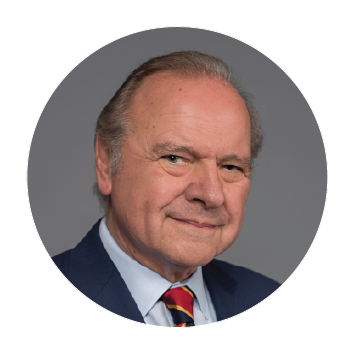
Leonard Mazur
Chairman and CEO, Citius PharmaceuticalsSubscribe for More
Don’t miss future insights—subscribe to our blog and join us on LinkedIn: Stewart Gandolf and Healthcare Success.
Note: The following AI-generated transcript is provided as an additional resource for those who prefer not to listen to the podcast recording. It has been lightly edited and reviewed for readability and accuracy.
Read the Full Transcript
Stewart Gandolf (Healthcare Success):. Hello and welcome to the Healthcare Success Podcast. Today I'm interviewing Leonard Maser, who is CEO and Chairman of Sidious Pharmaceuticals. First of all, welcome, Leonard. Thank you.
Leonard Mazur (Citius Pharmaceuticals): So thank you. It's a pleasure to be here and I look and I thank you for the opportunity to be able to participate in this podcast. Thank you again.
Stewart Gandolf (Healthcare Success): Great. I'm yeah, I'm looking forward to getting into it. And there's a lot. when you your team reached out to us, there's a lot of things here I thought would be relevant for my audience and some new things to talk about and some exciting, fun things to talk about as well in the pharmaceutical world. So, first of all, one of the questions that I wanted to start with is give our audience a little bit of context. You spent over 50 years in pharmaceuticals, and now you've invested, personally invested over 20 million dollars in Citius. Before we get into the drug launch itself, you know, it's like I've we're gonna talk about all that in a minute, but like you we talked about this offline, long story, but I wanna hear it. Like, how did you end up with twenty two million dollars to invest into your own biotech company?
Leonard Mazur (Citius Pharmaceuticals): What how did I what?
Stewart Gandolf (Healthcare Success): How did you come up with the money to invest in your own biotech company? It sounds like you've had a pretty interesting career. So I'd love a I'd love a background.
Leonard Mazur (Citius Pharmaceuticals): Well, what it is, it's prior to that, I had a partner and we would buy and sell prescription drugs, branded ones, usually off patent. Then we would repurpose them and then we'd sell them off again. we did that several times and they were one of them was extremely successful. We had a major league. We had a grand slam, not even a home run, so that's what that's what enabled me to do to do this.
Stewart Gandolf (Healthcare Success): That must have been a fun career. How'd you pick that? how did you pick how did you get interested in that? I'm just curious. We'll talk about the other stuff in a moment. I'm just I always love entrepreneurial stories.
Leonard Mazur (Citius Pharmaceuticals): Well, you know what it was. so I've my career was pretty traditional. moved up the ladder, and I would been with several companies. They were all run by entrepreneurs. The very first company I was with probably was a company I really, really I really I loved it to tell you the truth. It was run by an entrepreneur by the name of Parker G. Montgomery and called Cooper Labs. It was they made 150 acquisitions.
Stewart Gandolf (Healthcare Success): Wow.
Leonard Mazur (Citius Pharmaceuticals): You can imagine what that environment was like. So basically and I always had what I call the entrepreneurial itch inside of me. I had to scratch that. So
Stewart Gandolf (Healthcare Success): Yeah.
Leonard Mazur (Citius Pharmaceuticals): at the ripe old age of 50, I finally decided to go on my own. And I formed a dermatological product company. I mean I had no money, I had nothing, okay? So I it's I built that company on a basis of relationships that I had with others. So
Stewart Gandolf (Healthcare Success): Yeah.
Leonard Mazur (Citius Pharmaceuticals): ultimately I put that company together and had revenue, owned a small manufacturing facility and outside of Detroit, Michigan, and ultimately sold the company to Pierre Fab of France, one of France's largest companies, as you probably know on a worldwide basis. And then I was their US CEO for a couple of years, then decided I didn't want to be working for the French anymore. So I went off on my own again. And that's when I got into the whole thing about buying and selling drugs. I had a partner. We were we were total opposites. It was kind of interesting. And that's what really made it work. So and then unfortunately he passed away. And so ultimately I sold everything.
What happened was I got together with Myron Halubia, who had been the president of Roche Laboratories US. I knew Myron for decades, and I said, “Let's get together and form a company. We'll see what we can in license.” We managed to in license a drug from MD Anderson called Minaloc, which was an antibiotic lock solution for sterilizing infected catheters. And then we funded everything ourselves and we went along for a couple of years and then decided we had to take the company public. So we did a reverse merger with another public company that allowed us to get a Nasdaq listing and we're off to the races and I you know, I'd be remiss if I didn't tell you that deal making is in my blood or my DNA. So somebody came to me and a banker came to us, a boutique bank, and said, “Hey, I'm representing Dr. Reddy's and they're divesting some of their assets 'cause they've been on a they've been acquiring branded assets for a generic company.” Then one day they woke up and said, You know what? We're no longer a branded company. We're strictly a generic company. And so that was an opportunity for us. This drug lymphear, they had a license on it with E Side Pharmaceuticals. And they had one patient left on a clinical trial for cutaneous T cell lymphoma. By coincidence, completely by coincidence, a year before we even did that transaction, we hired a chief medical officer who was a world-renowned expert in lymphomas. He spent 23 years at Roswell Park in Buffalo as the an oncologist in charge of lymphoma and myeloma. He published 180 papers, if you can imagine that. And
Stewart Gandolf (Healthcare Success): Wow.
Leonard Mazur (Citius Pharmaceuticals): we brought him on board. That drug, he knew that drug cold, all right, knew everything about the category. It was it was a great fit. It worked out. We put 40 million dollars down on the table at that point and acquired that drug. And then they had one patient left, that was in September of 2021 by August of 2024. We were we got an approval. So we've been th that's pretty much how things started rolling along for us.
Stewart Gandolf (Healthcare Success): I love it. I just gotta tell you, I love that entrepreneurial spirit. It's this the kind of thing that so we'll just have it and it's it's scary and exciting and invigorating and you may wanna do it, but you have to be good at it too. That's the thing.
Leonard Mazur (Citius Pharmaceuticals): Well, you know what? I happen to live by certain mottos, okay? One is: failure is not an option. See that I got that from I spent I was in a Marine Corps reserve, so I got that in Paris Island at one point. So and the other one is: if you're not living on the edge, then you're taking up too much space. So okay.
Stewart Gandolf (Healthcare Success): I love it. I love it. We got some lessons in entrepreneurship here too. And like on a smaller scale, owning my own agency, starting it with a partner at the beginning from scratch has always been, I just knew I was gonna do that. But you're doing it on much bigger scale. But it's been fun ride. And I think it's either you either get it or you don't. And I always took risk. And to this day I still take risks. You just kinda I don't know. It's just I get used to it. But trying to make them smart risk, Leonard, not stupid risk, smart risk.
Leonard Mazur (Citius Pharmaceuticals): Correct. Well, you know, again, what back in my days at Cooper Labs, I learned all about risk taking from the way the company ran and what they did. And I mean, I want you to think about this. This company basically I helped create Cooper Vision, which we took from 10 million to 600, 700 million, became one of one of the world's largest eye care companies. What the what that company did though, what was really remarkable, they made a decision strategically To build businesses around medical specialties. So they formed a dental unit. And that dental unit went out and bought a tiny little toothbrush company doing less than a million dollars in revenue called Oral B.
Became the world's largest selling toothbrush. I didn't have anything to do with that. I gotta make sure everybody understands that. So but I watched that happen. And then what I saw was that and it was a great example of the kind of risk taking the company did. When they were in the ophthalmic business, they had an opportunity for a it was an extended wear contact lens called Permalens, the first one. And they had to make a decision about whether or not to do clinical trials and then apply for the FDA for an approval. Every consultant that came into the company advised against it, said the FDA would never approve an extended wear lens. But there was one PhD that the that the CEO had as his advisor and that one counseled him and said to him, “Go for it. It'll clear.” And he was right. And the CEO was not a technical guy at all. He was a lawyer by training, finance, you know, that was his area. But it was kind of interesting that he took that risk, a technical risk, that probably people would you know, you are you out of your mind or what? You know?
Stewart Gandolf (Healthcare Success): It's funny. That's such a that's a great story. It's funny. I remember I hope I'm quoting this right. This has been a long time ago, but I heard a story talking about Warren Buffett taking risk. And Warren’s style is a value guy. He would know when he bought a company that just had sell-offable assets that you could at least pretty much break even. But what this what you guys are talking about is a whole different world.
So let's that was great. I'm really glad we most people probably don't ask you about that stuff, but I just have to know that. And I want to know like how you got here. So, you know what the purpose of the interview that started though is you're moving from the raising capital to creating capital phase. And so what happens when in a site of a company now that you're going past all the work, you've got approvals, things are beginning to happen. Tell me about the changes that are going on.
Leonard Mazur (Citius Pharmaceuticals): Yeah. So i it is a change because as you said, you're going from raising capital to creating capital. Yeah, not that you'll stop raising capital, but you'll won't do it at the same intensity, and depth that you did before. So you've gotta have a company now, so we were we had mostly technical people in a company for the longest time. So you had a regulatory, you had somebody with great expertise in CMC, you know, medical clinical and medical, so all that was part of the company. That was in the company's DNA.
And then now all of a sudden now comes an opportunity to create revenue. You gotta bring in a marketing group, you gotta bring in somebody that's got a lot of expertise in directing and launching, which is really, really critical. That expertise especially. So we were fortunate that we picked up somebody, his name is Mike McGuire. He spent 25 years at Hop and La Roche in charge of ultimately marketing, launched all their major antibiotics, knew the hospital market cold, and he was a great add-on to addition to our staff because it got us moving in that direction.
So we worked extensively also with Eversana. which is a provider of all kinds of services, mostly to smaller biotech pharma companies. And I've had a lot of experience in the past with startups and getting going. And I know one thing, I don't want a warehouse ever reporting to me. So you hire a three PL and basically that they take care of shipping, billing, invoicing, all that was in place. Reimbursement got in place. So you've got all these objectives that you've got to meet and have the company really poised to start generating the revenue. And with that working again with Eversana, we use them to hire the salespeople that we brought on board and you take off.
So we're we're at the point now where we had let's say 25, 24 people in a company. We just added 29 in the sales force, so we've doubled our size. And it's it's it's it's different. The environment becomes different because now you're focusing in on revenue. And now you're looking, you know, and I've I've by the way, I've been always more and more co more comfortable with revenue than anything else. So the experience I had here, I went through all these years all these years of no revenue and just raising capital. And I gotta say it was it was such a strange experience for me because I was so accustomed to having revenue all the time. And 'cause revenue can cover in our industry, revenue can cover a lot of sins if you have high gross profit margins. So you know, so with that it was it w it was it was entirely different. It was just an entirely different atmosphere, culture, everything about it was completely different. So
Stewart Gandolf (Healthcare Success): I believe it. It's it's fun.
Leonard Mazur (Citius Pharmaceuticals): I you know, I had to get used to it, so
Stewart Gandolf (Healthcare Success): I hada friend of mine who used to own a drywall company, had a bunch of people working for him. When he finally retired, he said, It's just so weird to not have people out there making money for me. It's it's like, wow, it must have been a fun company, but was that easy it sounds too easy.
So I want to take a step back. You mentioned Lymphear a moment ago and about and how you know, you the story a little bit about like how you've discovered it. It was, I think, approved back in 2024, commercially launched in 25 at the end, very end of 2025. people outside the industry may assume once you got FDA approval, it's the finish line. But of course, as you're alluding to, you know, that's just the beginning. So, what actually has to happen? I mean, you've already talked about some of the things you've done, but what other things have to happen to get an approved therapy in place? Like, what are some of the important…
Leonard Mazur (Citius Pharmaceuticals): So it's like this. We actually did not launch until 2026 because what happened was that s the capital markets took a nosedive after we get we get approved. And I didn't I really didn't have sufficient capital to launch. So we did other things to prep, get everything ready, but I had to wait until those markets really started to recover. And then I got we managed to raise the capital. So we launched in 2026 and we did it in two stages. so all 29 people are on board as of this just this past September. So it was almost two years from the time it got approved before we actually got to the marketplace. We launched we actually shipped the drug to wholesalers and everything back in the beginning of 2026 and got the pipeline all ready so that the once the sales force was fully in place. they would be able to go in there and they didn't have to worry about anything except promote the drug to the oncologist or the hematologist.
So we had a we had a it's kind of a different experience because of that. So but we're there and we've got I think we have a great drug. It's got a great future ahead of it. It's for a very rare cancer called cutaneous T lymphoma. It only has the which only has 3,000 patients in the in the US. So it's a much smaller market segment, much smaller target audience. And the specialty side is something I'm very familiar with. I've always been attracted to smaller specialties where you don't need an army. You can go in and you can build a business with a smaller number of people. It’s not like primary care where you gotta have 1,000 people at least out there in the marketplace. I or I'm I'm not a believer in that. So I try to stay away from those kinds of situations if at all possible.
Stewart Gandolf (Healthcare Success): So we talked offline, it's been a while. Was Lympheer was this initially the targeting or was this one of those happy circumstances where Lymphia was developed for something else and then it turned out this was the right cancer for it to
Leonard Mazur (Citius Pharmaceuticals): So what happened was Lymphir had its own history. It had been on the market, ESI had it on the market and then they basically they had a manufacturing requirement. They had to adjust the drug. They didn't have to take it off the market. The problem was it was a hard drug to make. They had insufficient inventory to do what the FDA had asked them to do, so they decided to pull it off the market while they completed the additional tests that the FDA wanted or and adjustments. And then when they went back into the FDA with everything, the FDA said to them, “Sorry, but now you have you have a new drug. You gotta run another clinical trial.”
So and so ESI continued with that and they've in a process they outlicensed it to Dr. Reddy's but they did all the work. They did everything. So this drug has gone through it's got it's got history to it. But the but it's a good drug. It's got good results for it. And it's also got additional legs for the future in terms of potential other uses. So an investigator at the University of Pittsburgh decided to study this drug with an investigator IND To study this drug combined with Keytruda. And what he did is now we're indicated in blood cancers. He chose to study this in solid tumors in female cancers only, mainly endometrial and ovarian, very hard cancers to treat. And what and the reason he did is because Lymphir has a very unique mechanism of action. It lowers something known as T Rex. in the microenvironment of a cancer cell. And whereas keytruda increases T regs. And what you really want to do temporarily is it brings those T Rex down somewhat. So that's why this investigator chose to look at that combination.
And what he found is it's interesting, he got positive data, I'll give you an example, 33% objective response rate in endometrial where normally It could be in a single digits. Those two cancers are really tough. They're brutal. They're hard to treat. And I think there's there's some really solid potential there. we also have another investigator I and D underway at the University of Minnesota where it's being looked at combined with CAR T, which is another form of breakthrough cancer treatment. So I think we got something here that further clinical data will prove it out. So we're on that. And there's that drug it's kind of interesting that it's kinda it's developing this way. It's not something that we anticipated at the time that when we acquired the drug. We thought we were gonna be strictly doing CTCL and that was the market opportunity for us. But now once all that started coming into play, that really opened up the world for us.
Stewart Gandolf (Healthcare Success): Yeah, it's amazing upside. It's funny, you know, going back to our previous conversation, talking about risk, and then, you know, going through and finding out, whoops, you need another clinical trial when the former company owned the drug. Like that's not a good risk. And then all of a sudden, “wait, we have upside here, huge upside.” Like that's insane.
And it's funny too, because in this case, this is an area that on the pharma side, I'm not as close to, and I can see how entrepreneurs like you can be the glue that brings some a drug like this to life, right? It's not everybody that does this specific kind of drug and it's just it sounds like it found s square into your sweet spot.
You know, rare disease drugs. We've had some guests on our podcast before talking about rare disease and how that goes when you only have a few thousand patients as a target audience to help, but beyond the fact that you need a lot less salespeople, what other things are unique to the rare disease market as you guys thinking about expanding? for example, are you focusing all your energies on academic medical centers? Are you involved with consumer advocacy groups? Like what are some of the things that are really important to you?
Leonard Mazur (Citius Pharmaceuticals): Yes, so that it's interesting that you mentioned that, the consumer advocacy groups because in this particular cancer, there is a consumer group of patients that have CTCL. They're active, they have their own publication, they hold annual meetings. And we've reached out and we're in contact with them, working along with them, providing them with the inf information on our drug. So it's It's something that it's really interesting when you get into the patient side of it, especially when it's a rare disease. So we have something here that I think we the interaction part is really, really important to us. So and it's not just there but also with the upper tier of the onc chemo group. It's also being involved with them and in discussions with them. and our having our chief medical officer on board helps us an awful lot there, simply because they all know him. He's he's a rock star in that in that universe. So you've got your marketing emphasis has to be on developing your target audience, which would be primarily those hematologists and oncologists.
Stewart Gandolf (Healthcare Success): Yeah, for sure. And then actually as an agency, we oftentimes will help companies target specific physicians based upon their the scripts they're writing, the kinds of patients they're seeing. And you we talked about that also offline about which patients are actually through claims data are you know the best ones for you. So help our audience understand where are you in that phase?
Leonard Mazur (Citius Pharmaceuticals): So basically we've managed yeah, we've managed to identify every single treater by using the claims data, which is which is per you have to purchase it, and it'll tell you the number of CTCL cases being treated by that treater. So we've managed we've now stratified that. We've got that broken out, we know which you know which centers they're affiliated with. The academic centers along with the some of the community outreach centers as well. This is this is one where the treatment is one week on, three weeks off. So there's there could be some travel involved there if need be.
But we've we've also set up a whole program where we're doing we have a patient hub. We do everything to make sure that patient is not inconvenienced in the least bit and if there's a billing issue, we jump right into it to make sure that they're that it gets resolved right away. What’s interesting here is that we did not have a pricing battle for pricing approval. The reason being is because there were already two, three other competitors in the market. Our pricing was right in line with them, so we didn't have to go for special permission or wait months for that to happen. We got it pr pretty quickly.
Stewart Gandolf (Healthcare Success): Wow, that's great. How do you bring all these things together? You know, we're talking about advocacy, we're talking about digital marketing, you've got a field sales organization, you're also working with Eversana. Like how do you bring is there any tricks to bringing all this stuff together or to bring it building synergy? So it's a series of tactics.
Leonard Mazur (Citius Pharmaceuticals): I you know what it is? I'm so used to all of a sudden, you know, you're not even known. Nobody even knows you exist, and now all of a sudden you're in the marketplace. Okay.
I'm very accustomed to that. So I've done that several times and I know what that means. So, you know, you have to get state licenses, you've got to get approvals for every state, you gotta have make sure that everything is set up correctly. So and you gotta bring in people that do understand that and know what that means to execute and do that. So and on a marketing side we were fortunate that we hired somebody from Regeneron who as a director of marketing here with us, Omar Lon Sari, he's really outstanding. He's done a great job for us. So you have a team you need a team effort. It's a team effort. And you gotta make sure you've got a great team that can work together. And that's important to me and it's important to all of us. I think I like transparency so there's everything is aboveboard with us. Everybody knows what's going on in the company all the time, no matter what the roles are. We all have an understanding of what each other is doing.
Stewart Gandolf (Healthcare Success): That's great. You mentioned Eversana, which I'm if you're way more expert at this than I am, but it does make intuitive sense to work with a partner on that. Do you feel like that's critical with a drug like yours? Without having the infrastructure behind it?
Leonard Mazur (Citius Pharmaceuticals): 100% it helped us tremendously. So it took away a l a level of concern that you would have, you know, 'cause you stay up nights worrying about getting all this stuff in place and making sure that's all being executed and especially when it comes to prescription drugs, which are again one of the most regulated parts of anything in our marketplaces here in the in the US or elsewhere in the world. So with that you're dealing with professionals at Eversana who know their end. They know exactly what has to be done and how it has to be done. So that w one of the one of the things I should point out for you is that we don't have any management trainees, summer internships, we don't have anything like that. All right. Our company is totally professional. Everybody in our company has a track record of experience and accomplishment. And that's really critical.
Stewart Gandolf (Healthcare Success): Yeah, the stakes are high. Just even managing the pipeline of the drugs and you know all the different regulations and all the different things that happen.
Leonard Mazur (Citius Pharmaceuticals): Right. Right.
Stewart Gandolf (Healthcare Success): There is a lot there for sure. the let's talk about community oncology. The as an agency we worked with a lot of big groups for community oncology and you've got the academic medical centers, which oftentimes is the domain for rare diseases, but community oncology is another thing. Are you guys working with community oncologists? Is that integrated into your plan?
Leonard Mazur (Citius Pharmaceuticals): Yeah, so that's part of our marketing plan as well is that we also are setting up centers outside away from the from the academic centers where we know these patients can be able to access the treatment. This is an infusion therapy. So there are centers that are located at some distance from the big academic centers that can handle those patients. So yes, that is part of our whole marketing program right now as we're as we're executing it.
Stewart Gandolf (Healthcare Success): And so another question, a lot of drugs, almost all of them probably, have key opinion leaders being a key part of the marketing program. You mentioned that your chief medical officer is already a pretty recognized rock star.
is that is he your primary KOL? Do you have other key opinion leaders?
Leonard Mazur (Citius Pharmaceuticals): No, no, no, no, no, no. We have we have like 20 of them that we work with. They're part of our they're part of our sci our scientific advisory board. We meet with them at the at the various conferences where they're gonna be. So we've got that base covered really well. And then on top of that, we have two of our reps do that's their target, are the key opinion leaders. And they develop relationships with them as well. So we've got that we've got that covered. I should add that the way we have that sales force structured is part of it also includes medical science liaison. So these are professionals who can come in and speak to a physician about off label uses of a drug under FDA guidelines.
Stewart Gandolf (Healthcare Success): Okay, that makes total sense. So you mentioned, you know, other indications that this drug might be useful for. I mean, you're already trying to just juggle a whole launch. How do you manage that? Like 'cause you could have the distraction factor like, “wait a minute, we have this problem over here to solve.”
Leonard Mazur (Citius Pharmaceuticals): No, I you know what, so listen I'm contacted at least once a week about some opportunity somewhere. Right. So I filter those out. usually I have some criteria that have to be met before we would entertain anything.
Stewart Gandolf (Healthcare Success): All right. Well then, you know, as we're wrapping up here, you've spent decades in the industry. You're in the middle of an exciting launch. Like what, you know, can the you know, our audience includes executives and communicators and CEOs or providers and also biotech, but what can they learn from, you know, the experience that you have with this company and especially in terms of taking a promising therapy or idea into an actual business?
Leonard Mazur (Citius Pharmaceuticals): Well, you know what, I think it's like this. I think hopefully what they would learn is that you can't do this in isolation, and relationships, whether they're internal or external, are critical to the success of your of your company. So whether that includes fundraising, whether that includes relationships with key opinion leaders, but relationships are and internally you wanna make sure that you're you've got a real great team of people that are working together and working in harmony and they all know what our objectives are. We always meet with our people and go and cover everything. So but it's the relationship side, more than anything else, internal and external.
Stewart Gandolf (Healthcare Success): You know, it's funny too, because in our culture today, there's so much immediate gratification. And I can see the complexity of starting doing what you were doing here, just even though it's end up, it's a know who to ask is like would save years of developmental time, right? If you didn't have the relationships, where would you even start? And so you could spend forever. And there's a book I remember reading back in the 80s or 90s by Harvey McKay, which was Dig Your Well Before You're Thirsty. And the whole point of that book was build your relationships before you need them. And that's a long term view, but it's so powerful.
So I'd love to hand any other comments on that or advice to people that you know what at any level, I have CEOs and I have junior people, like, but at any level, tell me about just some of that.
Leonard Mazur (Citius Pharmaceuticals): So true. So a as it turned out later in my career ultimately I reconnected with that CEO of Cooper Labs and he turned out to be a great sounding board for me. He was a very hard nosed individual, but he had real practical advice and I would call him periodically and talk to him about different things. different things where I needed some input.
Stewart Gandolf (Healthcare Success): That's amazing. So I think that I would just say for as an aside from my own life now as CEO of the company, you know, back in my earlier days, my younger days, it's very scrappy just getting something going. But today, I gotta tell you, being when I go to a trade show and I know dozens of people, it's very satisfying and to know the number of people. And I didn't really take that very set very It wasn't planned, it developed over time, but as I got better at it and as I developed more relationships, I can see the value of it in a way that looking back and the younger me, geez, I wish it would have spent a little more effort on that, because it's certainly a lot easier.
Well, Leonard, I tell you what, this was fun. It's a topic that I thought would be really an interesting one for our audience. And hopefully if you're listening, you agree to take an entrepreneurial journey into the world of pharmaceutical drug development and There's a lot there to get a drug happening from scratch. So I appreciate your time today.
Leonard Mazur (Citius Pharmaceuticals): Yep. So thank you for giving me the platform to communicate that to your audience.
Stewart Gandolf (Healthcare Success): Great. Thank you, Leonard.
Clean Transcript
Stewart Gandolf (Healthcare Success): And you know, there's some nice places, but you know what? Spain's pretty it's not the only place in the world that's very good. Spain's
Leonard Mazur (Citius Pharmaceuticals): True. That's
Stewart Gandolf (Healthcare Success): Spain's pretty good too. So that was
Leonard Mazur (Citius Pharmaceuticals): Yeah, I can imagine. So
Stewart Gandolf (Healthcare Success): hang on. I what okay, I'm ready to go here. So Leonard, I want to make sure is to pronounce your last name, is it Mazer? How do I pronounce your last name? Okay.
Leonard Mazur (Citius Pharmaceuticals): That's that's Mazer, correct.
Stewart Gandolf (Healthcare Success): And Let's see, chairman, CEO and chairman of is it Sidious Oncology?
Leonard Mazur (Citius Pharmaceuticals): Both. So Sidious Pharmaceuticals is the parent company and Sidious Oncology is a sub that's now mark started marketing a an approved cancer drug.
Stewart Gandolf (Healthcare Success): And that's lymphier.
Leonard Mazur (Citius Pharmaceuticals): Correct.
Stewart Gandolf (Healthcare Success): Okay, great. All right, great. So we're recording now. I'm just gonna get started. Do you have any questions before we get going?
Leonard Mazur (Citius Pharmaceuticals): Nope.
Stewart Gandolf (Healthcare Success): Okay. so let me just go through my notes here again. It's been a while.
Leonard Mazur (Citius Pharmaceuticals): I can understand.
Stewart Gandolf (Healthcare Success): Did it did I send you over the questions in advance?
Leonard Mazur (Citius Pharmaceuticals): Somewhere I've got them, yeah. I don't have them right in front of me, but I would hope so. I've been at it for a while.
Stewart Gandolf (Healthcare Success): Okay. That's funny. you'll be I you know your stuff well. I'm sure you'll be disappointed. Yeah. And it you said it was Mazer, correct? I just want make sure I get that right. Leonard Maser. All
Leonard Mazur (Citius Pharmaceuticals): Right, right.
Stewart Gandolf (Healthcare Success): right. Hello and welcome to the Healthcare Success Podcast. Today I'm interviewing Leonard Maser, who is CEO and Chairman of Sidious Pharmaceuticals. First of all, welcome, Leonard. Thank you.
Leonard Mazur (Citius Pharmaceuticals): So thank you. It's a pleasure to be here and I look and I thank you for the opportunity to be able to participate in this podcast. Thank you again.
Stewart Gandolf (Healthcare Success): Great. I'm yeah, I'm looking forward to getting into it. And there's a lot. when you your team reached out to us, there's a lot of things here I thought would be relevant for my audience and some new things to talk about and some exciting, fun things to talk about as well in the pharmaceutical world. So, first of all, one of the questions that I wanted to start with is give our audience a little bit of context. You spent over 50 years in pharmaceuticals, and now you've invested, personally invested Over twenty million dollars insidious. Before we get into the drug launch itself, you know, it's like I've we're gonna talk about all that in a minute, but like you we talked about this offline, long story, but I wanna hear it. Like, how did you end up with twenty two million dollars to invest into your own biotech company?
Leonard Mazur (Citius Pharmaceuticals): What how did I what?
Stewart Gandolf (Healthcare Success): How did you come up with the money to invest in your own biotech company? It sounds like you've had a pretty interesting career. So I'd love a I'd love a background.
Leonard Mazur (Citius Pharmaceuticals): Well, what it is, it's pr prior to that, I had I was part of my p I had a partner and we would buy and sell prescription drugs, branded ones, usually off patent. Then we would repurpose them and then we'd sell off again. we did that several times and they were one of them was extremely successful. We had a major league. We had a grand slam, not even a home run, so that's That's what that's what enabled me to do to do this.
Stewart Gandolf (Healthcare Success): that must have been a fun career. How'd you pick that? how did you pick how did you get interested in that? I'm just curious. We'll talk about the other stuff in a moment. I'm just I always love entrepreneurial stories.
Leonard Mazur (Citius Pharmaceuticals): Well, you know what it was. so I've my career was pretty traditional. moved up the ladder, and I would been with several companies. They were all run by entrepreneurs. the very first company I was with probably was a company I really, really I really I loved it to tell you the truth. It was run by an entrepreneur by the name of Parker G. Montgomery and called Cooper Labs. It was they made a hundred and fifty acquisitions.
Stewart Gandolf (Healthcare Success): Wow.
Leonard Mazur (Citius Pharmaceuticals): You can imagine what that environment was like. So basically and I always had what I call the entrepreneurial itch inside of me. I had to scratch that. So
Stewart Gandolf (Healthcare Success): Yeah.
Leonard Mazur (Citius Pharmaceuticals): at the ripe old age of fifty, I finally decided to go on my own. And I formed a dermatological product company. I mean I had I had I had no money, I had nothing, okay? So I it's I built that company on a basis of relationships that I had with others. So
Stewart Gandolf (Healthcare Success): Yeah.
Leonard Mazur (Citius Pharmaceuticals): ultimately I put that company together and had revenue, owned a small manufacturing facility and outside of Detroit, Michigan, and ultimately sold the company to Pierre Fab of France, one of France's largest companies, as you probably know on a worldwide basis. And then I was their US CEO for a couple of years, then decided I didn't want to be working for the French anymore. So I went off on my own again. And that's when I got into the whole thing about buying and selling drugs. I had a partner. We were we were total opposites. It was kind of interesting. And that's what really made it work. So and then unfortunately he passed away. And so ul ultimately I sold everything. What happened was I got together with Myron Halubia, who had been the president of Roche Laboratories US. I knew Myron for decades, and I said, Let's get together and form a company. We'll see what we can in license. We managed to in license a drug from MD Anderson called Minaloc, which was an antibiotic lock solution for sterilizing infected catheters. And then We funded everything ourselves and we went along for a couple of years and then decided we had to take the company public. So we did a reverse merger with an another public company that allowed us to get a Nasdaq listing and we're off to the races and I you know, I'd be remiss if I didn't tell you that deal making is in my blood or my DNA. So Somebody came to me and a banker came to us, a boutique bank, and said, Hey, I'm representing Dr. Reddy's and they're divesting some of their assets 'cause they've been on a they've been acquiring branded assets for a generic company. Then one day they woke up and said, You know what? We're no longer a branded company. We're strictly a generic company. And so that was an opportunity for us. This drug lymph fear, they had a license on it with E Side Pharmaceuticals. And they had one patient left on a clinical trial for cutaneous T cell lymphoma. By coincidence, completely by coincidence. A year before we even did that transaction, we hired a chief medical officer who was a world-renowned expert in lymphomas. He spent twenty-three years at Roswell Park in Buffalo as the an oncologist in charge of lymphoma and myeloma. He published one hundred and eighty papers, if you can imagine that. And
Stewart Gandolf (Healthcare Success): Wow.
Leonard Mazur (Citius Pharmaceuticals): we brought him on board. That drug, he knew that drug cold, all right, knew everything about the category. It was it was a great fit. It worked out. We put forty million dollars down on the table at that point and got acquired that drug. And then they had one patient left, that was in September of twenty one by August of twenty four. We were we got an approval. So we've been th that's pretty much how things started rolling along for us.
Stewart Gandolf (Healthcare Success): I love it. I just gotta tell you, I love that entrepreneurial spirit. It's this the kind of thing that
Leonard Mazur (Citius Pharmaceuticals): Yeah.
Stewart Gandolf (Healthcare Success): so we'll just have it and it's it's scary and exciting and invigorating and you may wanna do it, but you have to be good at it too. That's the thing.
Leonard Mazur (Citius Pharmaceuticals): Well, you know what? I happen to live by certain mottos, okay? One is failure is not an option. See that I got that from I spent I was in a Marine Corps reserve, so I got that in Paris Island at one point. So and the other one is if you're not living on the edge, then you're taking up too much space. So okay.
Stewart Gandolf (Healthcare Success): I love it. I love it. We got some lessons in entrepreneurship here too. And like on a smaller scale, owning my own agency, starting it with a partner at the beginning from scratch has always been, I just knew I was gonna do that. But you're doing it on much bigger scale. But it's been fun ride. And I think it's either you either get it or you don't. And I always took risk. And to this day I still take risk. You just kinda I don't know. It's just I get used to it. But trying to make them smart risk, Leonard, not stupid risk, smart risk.
Leonard Mazur (Citius Pharmaceuticals): Correct. Well, you know, again, what back in my days at Cooper Labs, I learned all about risk taking from the way the company ran and what they did. And I mean, I want you to think about this. This company basically I helped create Cooper Vision, which we took from ten million to six hundred, seven hundred million, became one of one of the world's largest dark care companies. What the what that company did though, what was really remarkable, they made a decision strategically To build businesses around medical specialties. So they formed a dental unit. And that dental unit went out and bought a tiny little toothbrush company doing less than a million dollars in revenue called RLB. Became the
Stewart Gandolf (Healthcare Success): Wow.
Leonard Mazur (Citius Pharmaceuticals): world's largest selling toothbrush. I didn't have anything to do with that. I gotta make sure everybody understands that. So but I watched that happen. And then what I saw was that and it was a great example of the kind of risk taking the company did. When they were in the ophthalmic business, they had an opportunity for a it was an extended wear contact lens called permalens, the first one. And they had to make a decision about whether or not to do clinical trials and then apply with the F for the FDA for an approval. Every consultant that came into the company advised against it, said the FDA would never approve an extended wear lens. But there was one PhD that the that the CEO had as his advisor and that one counseled him and said to him, Go for it. It'll clear. And he was right. And the CEO was not a technical guy at all. He was a lawyer by training, finance, you know, that was his area. But it was kind of interesting that he took that risk, a technical risk, that probably people would you know, you are you out of your mind or what? You know?
Stewart Gandolf (Healthcare Success): It's funny. That's such a that's a great story. It's funny. I remember I hope I'm quoting this right. This has been a long time ago, but I heard a story talking about Warren Buffett taking risk. And Warren Style is a value guy. He would know when he bought a company that just had sell-offable assets that you could at least pretty much break even. But what this what you guys are talking about is
Leonard Mazur (Citius Pharmaceuticals): Right.
Stewart Gandolf (Healthcare Success): a whole different world. So let's that was great. I'm really glad we most people probably don't ask you about that stuff, but I just have to know that. And I want to know like how you got here. So, you know what the purpose of the interview that started though is you're moving from the raising capital to creating capital phase. And so what happens when in a site of a company now that you're going past all the work, you've got approvals, things are beginning to happen. Tell me about the changes that are going on.
Leonard Mazur (Citius Pharmaceuticals): Yeah. So i it is a change because as you said, you're going from raising capital to creating capital. Yeah, not that you'll stop raising capital, but you'll won't do it at the same intensity, and depth that you did before. So but so you've gotta have a company now, so we were we had mostly technical people in a company for the longest time. So you had a regulatory, you had somebody with great expertise in CMC, you know, medical clinical and medical, so all that was part of the company. That was in the company's DNA. And then now all of a sudden now comes an opportunity to create revenue. You gotta bring in a marketing group, you gotta bring in somebody that's got a lot of expertise in directing and launching, which is really, really critical. That expertise especially. So we were fortunate that we picked up somebody, his name is Mike McGuire. He spent twenty five years at Hop and La Roche in charge of ultimately marketing, launched all their major antibiotics, knew the hospital market cold, and he was a great add on to addition to our staff because it got us moving in that direction. So we worked extensively also with Eversana. which is a provider of all kinds of services, mostly to smaller biotech pharma companies. And I had I've had a lot of experience in the past with startups and getting go getting going. And I know one thing, I don't want a warehouse ever reporting to me. So you hire a three PL and basically that they take care of shipping, billing, invoicing, all that was in place. Reimbursement got in place. We got So you've got all these objectives that you've got to meet and have the company really poised to start generating the revenue. And with that working again with Everassana, we use them to hire the salespeople that we brought on board and you take off. So we're we're at the point now where we had let's say twenty five twenty four people in a company. We just added twenty nine s in the sales force, so we've doubled our size. And it's it's it's it's different. The environment becomes different because now you're focusing in on revenue. And now you're looking, you know, and I've I've by the way, I've been always more and more co more comfortable with revenue than anything else. So the experience I had here, I went through all these years all these years of no revenue and just raising capital. And I gotta say I It was it was such a strange experience for me because I was so accustomed to having revenue all the time. And 'cause revenue can cover in our industry, revenue can cover a lot of sins if you have high gross profit margins. So you know, so with that I d it was it w it was it was entirely different. It was just an entirely different atmosphere, culture, everything about it was completely different. So
Stewart Gandolf (Healthcare Success): I believe it. It's it's fun. I had
Leonard Mazur (Citius Pharmaceuticals): I you know, I had to get used to it, so
Stewart Gandolf (Healthcare Success): a friend of mine who used to own a drywall company, had a bunch of people working for him. When he finally retired, he said, It's just so weird to not have people out there making money for me. It's it's like,
Leonard Mazur (Citius Pharmaceuticals): Right.
Stewart Gandolf (Healthcare Success): wow, it must have been a fun company, but was that easy it sounds too easy. So I want to take a step back. You mentioned Lymphear a moment ago and about and how you know, you the story a little bit about like how you've discovered it. It was, I think, approved back in 2024, commercially launched in 25 at the end, very end of 2025. people outside the industry may not may assume once you got FDA approval, it's the finish line. But of course, as you're alluding to, you know, that's just the beginning. So, what actually has to happen? I mean, you've already talked about some of the things you've done, but what other things have to happen to get an improved therapy in place? Like, what are some of the important
Leonard Mazur (Citius Pharmaceuticals): So it's like this. We actually did not launch until twenty sixth because what happened was that s the capital markets took a nosedive after we get we get approved. And I didn't have suffici I really didn't have sufficient capital to launch. So we did other things to prep, get everything ready, but I had to wait until those markets really started to recover. And then I got we managed to raise the capital. So We launched in twenty-six and we did it in two stages. so all twenty nine people are on board as of this just this past September. So it was almost two years from the time it got approved before we actually got to the marketplace. We launched we actually shipped the drug to wholesalers and everything back in the beginning of twenty-six and got the pipeline all ready so that the once the Salesforce was fully in place. they would be able to go in there and they didn't have to worry about anything except promote the drug to the oncologist or the hematologist. So we had a we had a it's kind of a different experience because of that. So but we're there and we've got I think we have a great drug. It's got a great future ahead of it. It's for a very rare cancer called cutaneous T lymphoma. It only has the which only has three thousand patients in the in the US. So it's a much smaller market segment, much smaller target audience. And the specialty side is something I'm very familiar with. I've always been attracted to smaller specialties where you don't need an army. You can go in and you can build a business with a smaller number of people. You don't it's not like primary care where you gotta have a thousand people at least out there in the marketplace. I or I'm I'm not a believer in that. So I try to stay away from those kinds of situations if at all possible.
Stewart Gandolf (Healthcare Success): So did we talked offline, it's been a while. Was Lympheer was this initially the targeting or was this one of those happy circumstances where Lymphia was developed for something else and then it turned out this was the right cancer for it to
Leonard Mazur (Citius Pharmaceuticals): So what happened was Linphir had its own history. It had been on the market, E SI had it on the market and then they basically they had a manufacturing requirement. they had to adjust the drug. They didn't have to take it off the market. The problem was it was a hard drug to make. They had insufficient inventory to do what the FDA had asked them to do, so they decided to pull it off the market while they completed the additional tests that the FDA wanted or and adjustments. And then when they went back into the FDA with everything, the FDA said to them, Sorry, but now you have you have a new drug. You gotta run another clinical trial. So okay.
Stewart Gandolf (Healthcare Success): Yeah.
Leonard Mazur (Citius Pharmaceuticals): So and so ESI continued with that and they've in a process they outlicensed it to Dr. Reddy's but they did all the work. They did everything. So this drug has gone through it's got it's got history to it. But the but it's a good drug. It's got good results for it. And it's also got additional legs for the future in terms of potential other uses. So a an investigator at the University of Pittsburgh decided to study this drug with an investigator IND To study this drug combined with Qtruda. And what he did is now we're indicated in blood cancers. He chose to study this in solid tumors in female cancers only, mainly endometrial and ovarian, very hard cancers to treat. And what and the reason he did is because lymphere has a very unique mechanism of action. It lowers something known as T Rex. in the microenvironment of a cancer cell. And whereas key truda increases T regs. And what you really want to do temporarily is it brings those T Rex down somewhat. So that's why this investigator chose to look at that combination. And what he found is it's interesting, he got positive data, I'll give you an example, 33% objective response rate in endometrial where nor normally It could be in a single digits. Those two cancers are really tough. They're brutal. They're hard to treat. And I think there's there's some really solid potential there. we also have another investigator I and D underway at the University of Minnesota where it's being looked at combined with CAR T, which is another form of breakthrough cancer treatment. So I think we got something here that further clinical data will prove it out. So Well we're we're on that. And there's the c the that drug it's kind of interesting that it's kinda it's developing this way. It's not something that we anticipated at the time that when we when we acquired the drug. We thought we were gonna be strictly doing CTCL and that was the market opportunity for us. But now once all that started coming into play, that really opened up the world for us.
Stewart Gandolf (Healthcare Success): Yeah, it's amazing upside. It's funny, you know, going back to our previous conversation, talking about risk, and then, you know, going through and finding out, whoops, you need another clinical trial when the former company owned the drug. Like that's not a good risk. And then all of a sudden, wait, we have upside here, huge upside. Like that's insane.
Leonard Mazur (Citius Pharmaceuticals): Yeah.
Stewart Gandolf (Healthcare Success): and it's funny too, because in this case, this is an area that on the pharma side, I'm not as close to, and I can see how Entrepreneurs like you can be the glue that brings some a drug like this to life, right? It's not everybody that does this specific kind of drug and it's just it sounds like it found s square into your sweet spot. the you know, rare disease drugs. We've had some guests on our podcast before talking about rare disease and how that goes when you only have a few thousand patients as a target audience to help, but Beyond the fact that you need a lot less salespeople, what other things are unique to the rare disease market as you guys thinking about expanding? for example, are you focusing all your energies on academic medical centers? Are you involved with consumer advocacy groups? Like what are some of the things that are really important to you?
Leonard Mazur (Citius Pharmaceuticals): Yes, so that it's interesting that you mentioned that, the consumer advocacy groups because in this particular cancer, there is a consumer group of k patients that have CTCL. They're active, they have their own their own publication, they hold annual meetings. And we've we've reached out and we're we're in we're in contact with them, working along with them, providing them with the inf information on our drug. So it's It's something that it's it's really interesting when you get into the patient side of it, especially when it's a rare disease. So we have we have something here that I think we the interaction part is really, really important to us. So and it's not just there but also with the upper tier of the onch chemo group. It's also being involved with them and in discussions with them. and our having our chief medical officer on board helps us an awful lot there, simply because they all know him. He's he's a rock star in that in that universe. So it's you've got your marketing emphasis has to be on developing your target audience, which would be Primarily those hematologists and oncologists.
Stewart Gandolf (Healthcare Success): Yeah, for sure. And then actually as an agency, we oftentimes will help companies target specific positions based upon their the scripts they're writing, the kinds of patients they're seeing. And you we talked about that also offline about which patients are actually through claims data are you know the best ones for you. So help our audience understand what where are you in that phase? That's a pretty common but very misstratue.
Leonard Mazur (Citius Pharmaceuticals): So basically we've managed yeah, we've managed to identify every single treater by using the claims data, which is which is per you have to purchase it, and it'll tell you the number of CTCL cases being treated by that treater. So we've managed we've now stratified that. We've got that broken out, we've got we know which you know which centers they're affiliated with. the academic centers along with the some of the community outreach centers as well. This is this is one where the treatment is one week on, five three weeks off. So there's there could be some travel involved there if need be. But we've we've also set up a whole program where we're doing we have a patient hub. We do everything to make sure that patient is not inconvenienced in the least bit And if there's a billing issue, we jump right into it to make sure that they're that it gets resolved right away. We the what's interesting here is that we did not have a pricing battle for pricing approval. The reason being is because there were already two, three other competitors in the market. Our pricing was right in line with them, so we didn't have to we didn't have to go for special permission or wait months for that to happen. we got it pr pretty quickly.
Stewart Gandolf (Healthcare Success): Wow, that's great. How do you bring all these things together? You know, we're talking about advocacy, we're talking about digital marketing, you've got a field sales organization, you're also working with Eversana. Like how do you bring is there any tricks to bringing all this stuff together or to bring it building synergy? So it's a series of tactics.
Leonard Mazur (Citius Pharmaceuticals): I you know what it is? I'm so used to all of a sudden, you know, you go you have you're not even known. Nobody even knows you exist, and now all of a sudden you're in the marketplace. Okay.
Stewart Gandolf (Healthcare Success): Yeah.
Leonard Mazur (Citius Pharmaceuticals): I'm very accustomed to that. So I've done that several times and I know what that means. So, you know, you have to get state licenses, you've got to get approvals for every state, you gotta have make sure that everything is set up correctly. So and you gotta bring in people that do understand that and know what that means to execute and do that. So and on a marketing side we were fortunate that we hired somebody from Regeneron who as a director of marketing here with us, Omar Lon Sari, he's really outstanding. He's done a great job for us. So you gotta you gotta bring you gotta have a team you need a team effort. It's a team effort. And you gotta make sure you've got a great team that can work together. And that's important to me and it's important to all of us. I think I like transparency so there's everything is above board with us. Everybody knows what's going on in the company all the time, no matter what the roles are. We all have an understanding of what each other is doing.
Stewart Gandolf (Healthcare Success): that's great. Any you mentioned Everson, which I'm if you're way more expert at this than I am, but it does make intuitive sense to work with a partner on that. Do you feel like that's critical with a drug like yours? without having the infrastructure behind it?
Leonard Mazur (Citius Pharmaceuticals): Oh absolut I it i it helped us tremendously. So it took away a l a level of concern that you would have, you know, 'cause you stay up nights worrying about getting all this stuff in place and making sure that's all being executed and especially when it comes to prescription drugs, which are again one of the most regulated parts of anything in our marketplaces here in the in the US or elsewhere in the world. So with that You're dealing with professionals at Aversana who know their end. They know exactly what has to be done and how it has to be done. So that w one of the one of the things I should point out for you is that we don't have any management trainees, summer internships, we don't have anything like that. All right. our company is totally professional. Everybody in our company has a track record of experience and accomplishment. And that's
Stewart Gandolf (Healthcare Success): Yeah.
Leonard Mazur (Citius Pharmaceuticals): really critical.
Stewart Gandolf (Healthcare Success): Yeah, the stakes are high. Just even managing the pipeline of the drugs and you know all the different regulations and all the different things that happen.
Leonard Mazur (Citius Pharmaceuticals): Right. Right.
Stewart Gandolf (Healthcare Success): there is a lot there for sure. the let's talk about community oncology. The as an agency we worked with a lot of big groups for community oncology and you've got the academic medical centers, which Oftentimes is the domain for rare diseases, but community oncology is another thing. Are you guys working with community oncologists? Is that integrated into your plan?
Leonard Mazur (Citius Pharmaceuticals): Yeah, so that's part of our marketing plan as well is that we also are setting up centers outside away from the from the academic centers where we know these patients can be able to access the treatment. This is an effusion therapy. So there are centers that are located at some distance from the big academic centers that can that can handle those patients. So yes, that is That is part of our whole marketing program right now as we're as we're executing it.
Stewart Gandolf (Healthcare Success): And so another question, a lot of drugs, almost all of them probably, have key opinion leaders being a key part of the marketing program. You mentioned that your chief medical officer is already a pretty recognized rock star.
Leonard Mazur (Citius Pharmaceuticals): Right.
Stewart Gandolf (Healthcare Success): is that is he your primary KOL? Do you have other key opinion leaders?
Leonard Mazur (Citius Pharmaceuticals): No, no, no, no, no, no. We have we have like twenty of them that we work with.
Stewart Gandolf (Healthcare Success): Okay.
Leonard Mazur (Citius Pharmaceuticals): They're part of our they're part of our sci our scientific advisory board. We meet with them at the at the various conferences where they're gonna be. So we've we've got that base c covered really well. And then on top of that, we have two of our reps do that's their target, are the key opinion leaders. So And they develop relationships with them as well. So we've got that we've got that covered. I should add that the way we have that Salesforce structured is part of it also includes medical science liaison. So these are professionals who can come in and speak to a physician about off label uses of a drug under FDA guidelines.
Stewart Gandolf (Healthcare Success): Okay, that makes total sense. So you mentioned, you know, other indications that this drug might be useful for. I mean, you're already trying to just juggle a whole launch. How do you manage that? Like 'cause you could have the distraction factor like, wait a minute, we have this problem over here to solve.
Leonard Mazur (Citius Pharmaceuticals): No, I you know what, so listen I'm contacted at least once a week about some opportunity somewhere. Right. So
Stewart Gandolf (Healthcare Success): Yeah, my bet.
Leonard Mazur (Citius Pharmaceuticals): so I filter those out. usually I have some criteria that have to be met before we would entertain anything. So
Stewart Gandolf (Healthcare Success): All right. Well then, you know, as we're wrapping up here, you've spent decades in the industry. You've in the middle of an exciting launch. Like what, you know, can the you know, our audience includes executives and communicators and CEOs or providers and also biotech, but what can they learn from, you know, the experience that you have with this company and especially in terms of taking a promising therapy or idea into an actual business?
Leonard Mazur (Citius Pharmaceuticals): Well, you know what, I think it's like this. I think hopefully what they would learn is that you can't do this in isolation and relationships, whether they're internal or external, are critical to the success of your of your company. So whether that includes fundraising, whether that includes co relationships with key opinion leaders, but relationships are and internally you wanna you wanna make sure that you're you've got a real great team of people that are working together and working in harmony and b they all know what our objectives are. It's it we always meet with our people and go and cover everything. So but it's the relationship side, more than anything else, internal and external.
Stewart Gandolf (Healthcare Success): You know, it's funny too, because in our culture today, there's so much immediate gratification. And I can see the complexity of starting doing what you were doing here, just even though it's end up, it's a know who to ask is like would save years of developmental time, right? If you didn't have the relationships, where would
Leonard Mazur (Citius Pharmaceuticals): Right.
Stewart Gandolf (Healthcare Success): you even start? And so you could spend forever. And there's a book I remember reading back in the 80s or 90s by Harvey McKay, which was Dig Your Well Before You're Thirsty. And the whole point of that. book was build your relationships before you need them. And that's a long,
Leonard Mazur (Citius Pharmaceuticals): Yeah.
Stewart Gandolf (Healthcare Success): long term view, but it's so powerful.
Leonard Mazur (Citius Pharmaceuticals): Oh.
Stewart Gandolf (Healthcare Success): yeah. So I'd love to hand any other comments on that or advice to people that you know what at any
Leonard Mazur (Citius Pharmaceuticals): So can I tell that is
Stewart Gandolf (Healthcare Success): level, I have CEOs and I have junior people, like, but at any level, tell me about just some of that.
Leonard Mazur (Citius Pharmaceuticals): So true. So a as it turned out later in my career ultimately I reconnected with that CEO of Cooper Labs and he turned out to be a great sounding board for me. He was very hard nosed individual, but he had real practical advice and I would call him periodically and talk to him about different things. different things where I needed some input.
Stewart Gandolf (Healthcare Success): That's amazing. So
Leonard Mazur (Citius Pharmaceuticals): Yeah.
Stewart Gandolf (Healthcare Success): I think that I would just say for as an aside from my own life now as CEO of the company, you know, back in my earlier days, my younger days, it's very scrappy just getting something going. But today, I gotta tell you, being when I go to a trade show and I know dozens of people, it's very satisfying and to know the number of people. And I didn't really take that very set very It wasn't planned, it developed over time, but as I got better at it and as I developed more relationships, I can see the value of it in a way that looking back and it the younger me, geez, I wish it would have spent a little more effort on that, because it's certainly a lot easier. Well, Leonard, I tell you what, this was fun. It's a topic that I thought would be really an interesting one for our audience. And hopefully if you're listening, you agree to take an entrepreneurial journey into the world of pharmaceutical drug development and There's a lot there to get a drug happening from scratch. So I appreciate your time today.
Leonard Mazur (Citius Pharmaceuticals): Yep. So thank you thank you for g giving me the platform to communicate that to your audience.
Stewart Gandolf (Healthcare Success): Great. Thank you, Lennon.
Leonard Mazur (Citius Pharmaceuticals): Okay, bye.