Amplify Your Healthcare Brand With Podcasting
Ever wondered how to engage communities and maximize content ROI through podcasting?
In this week’s podcast, Stewart Gandolf chats with Bill Klaproth, Director of Marketing and Production at DoctorPodcasting, to explore the evolution of healthcare podcasting and its growing strategic value for hospitals and health systems.
Bill shares real-world insights into how podcasts are helping hospitals showcase physician expertise, strengthen community relationships, and repurpose content for maximum impact across digital channels.
What’s in it for you?
- Humanize your hospital branding by featuring physicians as trusted, local voices (not just names and credentials on a website)
- Extend the value of every episode by repurposing podcasts into blogs, social content, video clips, and more
- Increase discoverability and engagement through video podcasts and YouTube, where AI-driven search now plays a major role







Key Insights and Takeaways
- Turn one episode into a content engine
Each podcast can be transformed into blogs, social media clips, physician bios and internal messaging to maintain a consistent and authoritative online presence. - Build trust and relationships through human stories
Podcasts give patients a chance to hear directly from doctors, making your brand relatable and authentic. - Optimize discoverability with video and AI
YouTube’s auto-transcripts make podcasts searchable, improving Answer Engine Optimization (AEO) and expanding audience reach.
If you're a healthcare leader looking to amplify your hospital’s voice and authority, this episode is a must-listen.

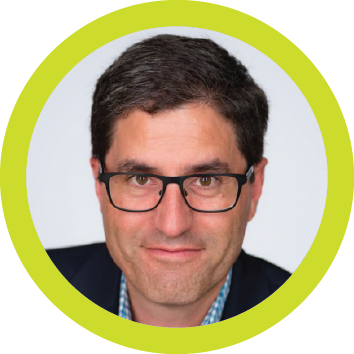
Bill Klaproth
Director of Marketing and Production, DoctorPodcastingSubscribe for More
Don’t miss future insights—subscribe to our blog and join us on LinkedIn: Stewart Gandolf and Healthcare Success.
Note: The following AI-generated transcript is provided as an additional resource for those who prefer not to listen to the podcast recording. It has been lightly edited and reviewed for readability and accuracy.
Read the Full Transcript
Stewart Gandolf (Healthcare Success)
Hello, everyone. Welcome to the Healthcare Success Podcast. I'm pleased to have you back. And today I'm pleased to talk about podcasting of all things on our podcast.
So today I have Bill Klaproth, who is Director of Marketing and Production for DoctorPodcasting as a guest today. Welcome, Bill.
DoctorPodcasting by RadioMD
Hey, Stewart. Thanks for having me.
Stewart Gandolf (Healthcare Success)
This should be fun. I've actually done one other podcast in the history of doing this about podcasting, but I've been aware of your company's work in this field for a long time.
And as we've developed a relationship on the hospital side of things, I thought it'd be really fun to talk about DoctorPodcasting, what's going on from your guys' point of view, compare notes, and hopefully walk away with a lot of good tidbits for our listeners.
So, the first thing is, you know, I started our company, you know, back in 2006, and I was kind of an early adopter into podcasting all the way back to the early 2010s. I think it was right around the same time you guys started. But give me a little bit of an origin story.
What, you know, how did it all begin? How did Tim Deesa Sr. think about this? What was the idea behind it?
DoctorPodcasting by RadioMD
Yeah, so Tim Deesa Sr., longtime air personality and multiple stops around the country later in Chicago, thought of, hey, wouldn't it be great to have an online health radio station?
So, as you recall, back in 2006, 7, 8, online radio stations were kind of popping up all over and everybody thought, hey, this is kind of the new thing.
He developed an online health radio station around the clock, basically health information shows. At the same time, he was recording them as podcasts. This was the infancy of podcasts. So not only was he live streaming, you could go online and listen to the health shows as they were happening, but he was recording them and then archiving them and creating a library of podcasts at the same time.
So, kind of a visionary at that point. His son came on, Tim Deesa Jr., and they continued on with the online health radio station. But then podcasts, as you know, Stewart, started to kind of explode and bubble up 2010, 2011, and they thought, hey, wouldn't it be a good idea? We're doing all these health shows. Maybe hospitals would want to create their own podcast featuring their doctors, and we can help hospitals Create Their Own Podcast.
They launched Doctor Podcasting in 2012, and they went out there and they slowly started signing up clients, healthcare clients in hospitals, and it just has been growing ever since. And as you know, podcasts are bigger than ever now. And if you look at the share of ear and the infinite dial, all the surveys from Edison Research, you'll see podcasting has just been on this steady march all the way up since that time. It's really been great. We have about 130 clients right now.
Stewart Gandolf (Healthcare Success)
That's awesome. I don't remember the exact year, but it was probably right around 2010.
I started the company in 2006, where I was going to a lot of internet conferences. And I raised my hand because they were talking about all these different tactics and strategies.
And nobody brought up podcasting. I'm like, you guys haven't mentioned podcasting. Why? I was like, oh, we think that kind of came and went. So, this is like an industry leader. I forget who it was, but they had already dismissed it as dead, and it hadn't even really gotten started yet. And so, in the old days I still have listeners from way back when we started doing this. I would do this seasonally with some of the big conferences, particularly SHSMD. I would interview some of the speakers, and I would do it throughout the year, but kind of as an enhanced blog. I did a blog four times a week, and once in while I'd do a podcast. But it was, we did probably a couple hundred episodes over the years, but it wasn't a regular thing. It was when I wanted to do a podcast. And we've leaned into it in recent years, and it's been really very, very fun for us and sort of game-changing, even though it was great then.
I still have guests and people I met back in 2011 that were at completely different phases of their careers, are now friends and leaders in our industry.
So, it's been fun. With that being a statement, I'd like to ask your experience about, you know, what has the evolution been in your point of view? Because it's come long way, right? It's grown exponentially, but in what ways has it become more impactful? Has listenership grown? How would you characterize the last decade and a half or so?
DoctorPodcasting by RadioMD
Yeah, think technology is one of them. Technology has allowed a lot of people in, to make podcasts more easily. So back then, we were recording with our physicians on the phone. That sounded fine for back then, but technology now has gotten to the point where we're recording like we're recording right now, Stewart.
If you're listening to this on Spotify or wherever, it sounds like we're in the same studio together, even though we're not. So, the technology really has dropped any barriers for entry into good sound production quality, which is really important. And all the new tools that are coming out for editing have made it much easier as well. Things like Descript is one product, which makes it really easy when you can edit by text.
Of course, when you record with Descript, it makes a transcript of the podcast, and you can edit right on the transcript.
So that's kind of been a game changer for people to come into the podcast world. You don't need to have a radio background like a lot of us have. You don't need to have editing skills like a lot of us have. So, you could just come right in.
You could get this equipment and start your podcast. And I think that really has enabled the explosion of it as well. So, I think that's one of the main things. And I think people have just adopted it more and more. And as celebrities have come on board, as big companies have come on board, as companies like ours have come on board, everybody now seemingly knows what a podcast is, has listened to a podcast. And many people have started a podcast. So, it really just has grown over the years. And I think the last election where podcasts played a big part in it, whether or not you're on a podcast or not, I think that really kind of blew the lid off of it. And people are like, wow, podcasts were really influential and impactful in this past election. And I think it really opened a lot of people's eyes to podcasting and the power of the medium.
Stewart Gandolf (Healthcare Success)
That’s really interesting. I'd forgotten about the conference call thing. We used to use FreeConferenceCall.com to do our podcast. I'd forgotten about that. It's been so long ago. And that worked really well for its time. It really did. It was easy. And one of the things that we talked about offline is, I try really hard to make it easy for my guests.
I'm curious about the way you guys do things with DoctorPodcasting. On the production side, it's a little bit different if they're captive with a hospital. But do you always insist the guests have a microphone or do you ask them to wear headphones or do you, like me, try to make it as easy as you can for them?
DoctorPodcasting by RadioMD
As easy as we can. As long as they have an up-to-date laptop, flip it open, they're ready to go, which is nice. Again, you don't need a microphone. Even if they do have a microphone, USB mic, as you know, makes it very easy for them to plug in and go. Again, five, six, ten years ago, you had to have an XLR mic. You didn't have the connection, so you'd have to have, I even forget the name of the piece of equipment we used to use, but that would convert the XLR into USB, so you could plug it into a computer. Nowadays, this mic right here is a USB mic. It plugs right into the laptop or the computer, and you're ready to go.
Stewart Gandolf (Healthcare Success)
Yeah, and I'm using my little Yeti, which I've been using for a long time. I've got a Shure in the back, but it's like, it can really help with the sound as well.
DoctorPodcasting by RadioMD
And again, with the editing platforms now, you can correct the sound pretty easily, and AI has even made that easier. It will analyze the sound for you. It'll get rid of background noise. If it is kind of a bad connection, it'll raise the volume. It'll clean it up completely. So again, technology has played a big part in this.
Stewart Gandolf (Healthcare Success)
Any specific software for that? I'm just curious that you guys like. We usually use Adobe.
DoctorPodcasting by RadioMD
Yeah. We've used just about everything under the sun. We've used Adobe and we've used the Apple products, and we use Descript and we use Riverside. So, you name it, we pretty much have used it or have gone through it.
It's funny, were mentioning back in the day, we used to use a thing called Lucy Light, which our hosts would connect through.
We'd actually record through a radio station back in the day. Then we used a thing called IPDTL, which made it sound like we were in the studio, but it was a complicated connection process.
Now we use Riverside like most everybody else uses. And there's more and more companies coming online that are helping us with the technology to make things easier. But it is funny to look back at all the different technology we used back then.
Stewart Gandolf (Healthcare Success)
Yeah, it's funny because Riverside is the clear leader. We're using currently Zoom with Fathom and other things that we use, but we'll probably be switching over to Riverside too. Because I hear raves about it from all of my podcasting colleagues. But anyway, the tech side of it, the evolution side of it, I would just say before we move on from that, just the adoption.
Like my wife is a big podcast listener. When she's doing anything she thinks is boring, housework or driving with the kids or whatever, she's listening to a podcast all the time. I think that I listen to podcasts usually when I'm with her because I'm on the way to someplace. Otherwise, I'm working, as it turns out, Bill. But I listen to podcasts when I can as well. And that passiveness is great. And I just feel like it's just matured over the years. And it's become a much bigger thing. And it's been fun to watch it. And you reminded me; I forgot where we were. It's been a long time. So, you know, like on the hospital side, there's a lot to talk about with hospitals. We work with hospitals, but that's all you guys are really focused on. And it's such a natural medium when you have, you know, a thousand doctors on your team. There are some rich resources there. But why do you see hospitals more than ever leaning into podcasts as part of their strategy? Why do you think that is?
DoctorPodcasting by RadioMD
Yeah, well, you want to give your doctors a voice. When you go to a hospital, basically, if you have two hospitals in the same town, they kind of both have the same equipment.
They have the same rooms. They have the same things that they use. It's the doctors. It's the people that make a difference, if you will.
It's those individual doctors and the story of the care they provide. Showcasing the doctors on the authority of what they know is really important. You want to give your doctors a voice. And people in the community want to hear from their local doctors. It's easy to just call up a Google search and get any type of information anywhere. But hearing it from the physicians in your community who you probably are going to go see or could go see or potentially go see is really important.
So, you get to tell the story of the care you provide. And with podcasts and now video podcasts, which have really blown the top off of podcasting, it's really important.
I like to say, when you have a podcast, it's like having your own radio station. When you have a video podcast, it's like having your own TV station where you control the narrative. There is so much information out there. You get to tell the story of the care you provide by showcasing the people that are providing that care. It really is, like you said, Stewart, it's a hospital podcasting, healthcare podcasting. It's really just a great match with this medium.
Stewart Gandolf (Healthcare Success)
When you're talking about doctors, it's really funny. Bill, back when I started doing this, doctors just hated the whole idea of marketing at all. And now it's very different, right? They've, over time, there's still some that think it should be illegal, I'm sure, mut more are embracing. Coordinating with them has got to be a challenge always. Do you guys find, I'm guessing, and I'll just put out a hypothesis, and you tell me if it's true, some can't get enough of this, really want to participate, want to do it over and over again. Some say they want to do it and will do it. Others say They want to do it and never show up and others you just can't reach. Is that pretty much like that? And how do you work around that production? Or you just feel like if you're serious about this, you'll show up. And if you're not, you won't. Like, how does that work for you guys?
DoctorPodcasting by RadioMD
Yeah, well, the answer is yes to all those. Yeah, you get the early adopters.
We have healthcare clients that come to us and they'll say, hey, Dr. X wants to start a podcast. He loves podcasting and he wants to start a podcast. We have, which is great, which we love and we're happy to do that for them. So, yeah, there's those early adopters and then those people that kind of like, what's this for? Why do I have to do that? We leave that up to the marketing directors of the hospitals that we work with. If they have a service line that they're trying to promote or a new medical device or service they're providing, they'll go to that doctor and say, hey, we want you to do this podcast. And here's why it's important for you to do this podcast. This might not be of your nature, or you might not want to be on a podcast, but it's important for you to do this because of these reasons. They'll usually go, OK, I get it. And a lot of times the people that are like, I'm not doing this, I don't want to be on a podcast, when they see the other physicians being on a podcast, they're like, oh, wait a minute, maybe I should be doing this. Oh, that kind of sounded cool. We do work with a lot of doctors, and we do the podcast with them and they're great, they say, gosh, this was really cool. I didn't know what to expect or I was kind of apprehensive about this. But man, this was great. I'd love to do this again.
Stewart Gandolf (Healthcare Success)
That makes sense. When you work with a hospital, how do you find the host? Is it usually, do have multiple hosts? Do you have a single host? Is it often a doctor that's really good at being personable? Is it the marketing person? Like, how do you solve the host issue for these kinds of things?
DoctorPodcasting by RadioMD
Kind of all of the above. At Doctor Podcasting, we have a bench of hosts, if you will. We have about 15 hosts, former radio people or news people or people with media experience. When a doctor is ready to record, we generally have a host.
Stewart Gandolf (Healthcare Success)
Oh, great. I didn't realize that about your model. That's great. That takes away a lot of the challenges. And do you keep the same host to the same hospital or just rotate them over time?
DoctorPodcasting by RadioMD
We give them a choice. They can choose a specific host. And if they want to do that, we'll send them samples, kind of like air checks in the old radio days for us old radio guys. And they can listen and say, you know what, I, or view. So now we're just basically every, everything we do now is video podcasting. We'll send them a video sample, and they can choose the hosts they want, or they might choose three and we'll rotate those three. Or we have people that say, it doesn't matter who the host is. I'm good with whoever. And then we call that a round robin and whoever is available when that doctor is ready to record, we'll put that person on that podcast.
Stewart Gandolf (Healthcare Success)
That's great. I love that. So how are the hospitals using this content? You know, how are they leveraging it from blogs, newsletters, social media posts? Like how, how does this fit in?
DoctorPodcasting by RadioMD
Again, it's all of the above. We provide them with a widget that plugs right into their website so they can display a library of podcasts from their physicians right there. We also provide for them widgets where they can share the information around the website. I like to say the win for podcast come when you get the podcast out of that main podcast player page and onto the service line pages where people are searching for solutions to their health problems. That's when the podcast is most valuable on a service line page. When someone is on that service line page, whether that be a cardiovascular page, a diabetes page, a cancer page, an orthopedics page, having a little library or a few podcasts from your physicians about that service line or that condition or that health need is where you get the win. Because if they're searching for that information, chances are you have a podcast speaking to that condition. They're like, oh, oh, here, this is exactly what I'm looking for, let me listen. We provide all of our clients with these little inline segment player widgets. We give them the ability to build mini podcast libraries wherever they want on their website, perfect for service line marketing. We have a little doctor guest widget, which will go right on the physician bio page, which for our hospital clients, physician bio pages are usually one of the most common entry points for hospital websites. So having that podcast right on the physician bio page is key because it starts that, as we talk about in marketing, you buy from people you know, like, and trust. Think of yourself when you go to a party, when you have a huge party where you usually find people you know, oh, there's my group over there. I'm going to go hang out with them. I know them. I like them. I trust them. Same thing in marketing. When you hear that physician on a podcast, it starts that knowing, liking, trusting, and often that'll be the difference between them maybe moving on or making that appointment.
So, the podcasts are just so critical in those times when you get them spread out around the website, and we provide tools for all that.
Stewart Gandolf (Healthcare Success)
That's great. Content-wise, I'm curious, with a hospital, one of the great things with a hospital, especially a larger one, is you have many different topics, right? You've got otolaryngology or plastics or derm or gastroenterology or whatever. Do you ever work with businesses that have, you know, like a single specialty or, you know, B2B kinds of things where it's a little harder if you have like one SAS product, for example, you're selling? How do you guys do that? How do you keep it interesting and get an audience?
DoctorPodcasting by RadioMD
Well, there's usually so many topics in those individual type of clinics. We work with fertility clinics. That's all they do is fertility. So that would be an example for you. Rehab centers, all they do is rehab. We certainly work with those size places, healthcare clinics. So generally, they'll have one, two, or three physicians or therapists even. And there's so many things to talk about within what they do that they really don't ever run out of content. I know it sounds kind of crazy. We've worked with bariatric centers, but there's so much around that that people want to know or want to learn or you have the ability to educate people on that usually don't run out of topics on those things. We work with some of the biggest healthcare brands in the country, and we work with small, rural, 12-bed, critical access hospitals. And generally, there's no shortage of content.. Yeah, I just wanted to add in. I was talking about the website.
So social media and podcasting, as you know, Stewart, Match Made in Heaven, especially with video podcasts now. We can take those video podcasts. We cut them into reels for Instagram, TikTok, YouTube shorts, email newsletters. We also do a content buffet where people can repurpose the podcast into articles. We do these audio to social players where we convert audio to video. We do the reels, which I just talked about. We do podcasts on hold when someone calls in to make an appointment. They hear a promo for the podcast. All of our stuff is available in Spanish. So content is off the charts with podcasts, as you know, and repurposing is one of the key things about podcasting.
Stewart Gandolf (Healthcare Success)
I love it. And, you know, it's funny with the when in the old days, our podcast listenership, we've been on multiple streaming services since day one. But we had our blog was opt-in, we had about 20,000 active subscribers. They would find us primarily through the blog, at least initially. Today, with social, particularly LinkedIn, is where so many people find our content. And it's usually organic posts because I'm fortunate to have lots of followers and our company has lots of followers. But also, the really good ones will promote with, you know, a small number of paid ads to promote it as well. If one gets traction, I'll invest more to grow at just somebody, a special guest or whatever. On that note, one of the things that, you know, as we prepared for this meeting, we talked about the specialness and, you know, humanizing healthcare. You kind of alluded to that a moment ago about the sort of personal authentic quality. And I think that would apply for doctors as well. But I'll just, from my own standpoint, you know, having done content for years, I've done eBooks, podcasts, webinars, blogs, speeches, all this stuff. But the podcast, both audio and now visual, people feel like they know me. It's like, great. Even beyond compared to a webinar, which is more structured, they feel like they just know me. I've had people that come up to me and start talking to me. And it's like, they've listened to my stuff. They know it. Is that pretty common? And do your doctors find that? Because I can imagine that it's a real relationship builder, maybe picking up on what you just said a moment ago.
DoctorPodcasting by RadioMD
Yeah, I think that's a really great point. I love how you said it's a relationship builder. I've had clients come up to me and say what I love about the podcast is I'm building a relationship with our community through our physicians. Some healthcare organization, a specific physician will have their own podcast, and that will happen like you just mentioned, Stewart. Most of the time they're on a podcast, it's a singular topic, and they'll do the podcast and they'll just be on one podcast. So that, hey, I heard you on a podcast is rarer, but for the doctors that are on regularly that have their own podcast, that's not an uncommon phenomenon. But it is a great relationship builder and a great tool to, again, start that relationship, as you just said, Stewart, with the community. So just quickly on this, what's really interesting about this is it's a great way to start that relationship with younger people before they need to come to the hospital. By doing health and wellness podcasts, where I'm just going to help you live a healthier life or help you with little things that might be happening to you in your 30s, they're growing that relationship, that familiarity with the hospital. When it does come time for them later in life, if they need to go to the hospital, they kind of have a familiarity with it and they kind of know it already. So really important, that relationship aspect of it.
Stewart Gandolf (Healthcare Success)
For sure. And, you know, picking up on the fact that people feel like they know me or guests that we have on, because we hear that as well. There's also relationship building. And I don't know if you kind of alluded to that as well. But for me, you know, like I just have, I have some fantastic guests on my podcast and I get referred to more guests and I meet such smart people. But one of the favorite podcast guests I've had at all times is Dr. Jim Merlina, who was head of patient experience for Cleveland Clinic. I spoke with, I was introduced to Jim. I spoke at the summit there. This is. Back in 2010 or something, but I brought on Jim as a guest for years. I still bring him on once in a while. And he introduced me to a million people that I got to know. It's such a great relationship builder if you do it right. And I'm guessing some of your doctors, at least, who are good at this probably find the same thing, right? Which you never know where that could lead in terms of new friendships, new personal connections, or whatever.
DoctorPodcasting by RadioMD
Yeah, for sure. Well, you know, everybody's looking for content, even doctors. So the physicians that are active on social media, believe me, they're looking for content, trying to build content like everybody else. When they have the opportunity to be on a podcast or a video podcast, they're certainly sharing it. And we encourage them to do that. In our platform, we have an easy way for the marketing director to send the physician an email saying, Hey, thanks for being on the podcast, we appreciate it. If you wouldn't mind sharing this on your own social media, that'd be great. And they're like, yeah, let me do this.
At that point, the hospital is then leveraging the followers of the guests to help grow the podcast too. And the physician. My love it too. Hey, it was on a podcast. They love to share that with their friends, their colleagues, their family as well. So absolutely.
Stewart Gandolf (Healthcare Success)
Yeah. it's another tip. It's certainly great to have guests that have their own following, right? It's a win-win. And the people that do this like to do this. And I get invited lately at least once a month, sometimes multiple times a month to be on somebody else's podcast. So, and it's easy for me to do, right?
DoctorPodcasting by RadioMD
Just show up. Give me the mic, I'll do it. There’s a lot of fun there.
Stewart Gandolf (Healthcare Success)
Let's talk about some of the creative uses that you're seeing your doctor’s use. It's like for CME, recruitment, internal communications. Give me some examples of those things.
DoctorPodcasting by RadioMD
Yeah. The majority of the podcasts we do are for consumers, but we can also do peer-to-peer podcasts, which are physician-to-physician podcasts. For a hospital, starting that relationship with the referring community, physicians that have their own practices, not at the hospital. When they come across a condition. Or an issue, they know who to refer it to. Cultivating that relationship between the hospital and the referring physicians in the community is really important. We do what we call peer-to-peer podcasts. And those podcasts are designed for medical professionals, not the average consumer. So, and they'll talk about, they'll deeply go into education and talk medical things that would be over your head or my head.
We do those peer-to-peer podcasts. With that, we can also do CME, Continuing Medical Education Podcasts, where a physician can listen to a podcast and then take a post-test and get 0.25 credit hours as they have to continually educate themselves and keep up with their hours. Our podcast can be used for that as well. We work with the CME departments at hospitals when we do this. It's really a cool thing that you can do with podcasts. There's also internal podcasting, too. It's kind of like a talking newsletter. Instead of sending a memo. To the staff, the CEO gets on the podcast and talks about things that are happening at the hospital. It's a way for that person to communicate with the staff. They can interview other people at the hospital as well.
All different creative types of uses for podcasts. And again, video podcasts have really just kind of blown the roof off this whole thing.
Stewart Gandolf (Healthcare Success)
That totally makes sense. Well, let's talk about that. I was going to talk about that in a minute, but let's just go straight to that. I checked this out recently, Bill, and confirm with me if this is true. When I checked for the leading streaming service, because we were looking at our streaming services that we're hosting and deciding if we're going to drop any and add any. And there's a couple of big ones, right? Like, so there's Pandora or Apple Podcasts or Spotify. But number one surprised me. And what's number one today for podcasting?
DoctorPodcasting by RadioMD
YouTube.
Stewart Gandolf (Healthcare Success)
Isn't that amazing? Like, I knew it was important. I didn't know it was number one by a lot. Like, it's done from, we're calling it podcasting. But it's YouTube. Tell me, what's special about YouTube.
DoctorPodcasting by RadioMD
In the podcast ecosystem, it's like number one. Through the RSS feed now, you can feed your podcast to your YouTube channel, which everybody should be doing.
If you have a podcast, you should be doing it. You probably are. So automatically, you build a library of podcasts right on YouTube. It creates its own playlist. It's really cool. Then when you do video podcasts, you can also upload your video podcast to your YouTube channel too. We suggested you have two separate playlists, your audio playlist, and then your video playlist of the podcast. People can watch if they want to watch because people love video podcasts.
They love watching people talk. It's kind of interesting. And here's the critical key. When you put either an audio or a video podcast up on YouTube, you're creating a transcript automatically. Why is that important? Well, search AI indexes. YouTube. So now in our AI world of search, AEO, Answer Engine Optimization, of course it has changed the way we use search.
AI is searching through YouTube for topics now. If you prompt AI for something, it's going to search and YouTube will show up in the citations off to the side. It has really become a really powerful marketing vehicle. It's a must-have now for any podcaster.
Stewart Gandolf (Healthcare Success)
It's really funny because we, Bill, one of the things we do a lot as an agency, but our probably number one most important service right now is helping healthcare organizations show up in spite of the change to ChatGPT and Google AI overviews and to be showing up in those places as well as still on Google.
And, you know, you're singing to my choir here. We totally believe in having content, having good authoritative content. You beat me to that topic. I was going to talk about that next. But, you know, having that content on YouTube, having it on your website, you know, the machines believe you when you tell them that you know what you're talking about. So, and if you're not saying anything, then you're silent. And I have, it's very common for us, and we have clients now where they're like, this guy is an upstart. Why is he showing up? It's like, because today you have to be everywhere. And podcasting is one really good strategy to do that with, to be everywhere. It's a little exhausting because it's, they have to do all these things, but that's what's required to show up today.
DoctorPodcasting by RadioMD
Yeah. And with the technology, you can automate a lot of this stuff too, which is really important, but you're right. You've got to be everywhere, wherever people consume media, you want to be. And people love YouTube. People use YouTube all the time. You really have to be there. There are other emerging trends now too, Stewart, which I'm sure you know about, a Substack is surfacing that transcript up on a Substack. You can put your MP3 right on there. It's. It's gold. It's just another place where AI can look as it's looking to cite sources. That's another place you can be found. And that's another thing that we're suggesting to our clients too, start a Substack account. And that's proving to be another key to this. Another emerging one is Reddit as well. All these things are changing around us, but we're just evolving with it and staying ahead of it.
Stewart Gandolf (Healthcare Success)
Absolutely. Another thing that's fun, we kind of hinted about this, but repurposing content. Extending content. What are some of your favorite things that you do? And frankly, we do this a lot but could do it better. There's so much opportunity here. I'd love to hear what you guys think are the most important things.
DoctorPodcasting by RadioMD
Articles are really important. Getting that blog up on your page. Our clients that do blogs through the repurposing, we take that podcast. We have writers on board. It's not AI. We actually have to able to write the blogs. And they'll write a 500 to 700 word blog or article from that podcast. Keeping up with blogs is really hard. People love to start them, and then they fall by the wayside, kind of like podcasts sometimes.
We give them an easy way to keep up with their blogs by providing them with that steady stream of content directly from the podcast. And it features their physician throughout the article or the blog, so it's really important to them. That's one critical thing, and as you're talking about search and AEO and all that kind of stuff, having that written, indexable content on your page is really important. Creating that blog from the podcast is key. For people that don't do video podcasts, do these audio-to-social players, converting audio-to-video.
You can plug that right into your social media news feeds. That's another cool thing. We do these getting-to-know-you podcasts, the relationship builders, where we'll actually just interview a physician. Tell me, why did you become a doctor? Hearing their whys sometimes is really Critical and important to people. And a lot of times we'll get a, we will, it doesn't happen all the time, but it's not uncommon to hear really emotional stories of doctors saying my mom died of breast cancer when I was in high school.
It shook me to my core. I decided to devote my life to medicine at that point. I mean, you hear these stories and it's like, wow, that's really powerful.
When you hear the reason these people have become doctors and have devoted their life to medicine. Since we do these kinds of cool podcasts, which people love, when you do a video podcast, again, you can then chop these down into short form video, which is kind of the new rage.
We were just at HCIC. Sorry if I'm dating this podcast. You can cut this part out. But short form video was one of the big topics there. With podcasts, you can easily create short form videos. Really important. So that's another thing. Like I said, you're creating radio commercials and on hold messages. All of our stuff is available. In Spanish, you can take that English transcript. Turn it into a Spanish transcript for easy Spanish content.
Stewart Gandolf (Healthcare Success)
It's really amazing all the things you can do from one little podcast. You often get demand from doctors who want to bring along a patient, obviously with proper HIPAA, but bring along a patient as a case study. Is that ever something you guys do much with?
DoctorPodcasting by RadioMD
Yeah. Yep. We do what we call those narrative storytelling podcasts.
We'll actually interview a patient, and they'll tell us their journey. You know, moved to New York and life was great and I felt this pain in my side, and I blew it off for a while.
And then two weeks later, it bothering me again. I went back in and I went to X hospital.
Oh, my God, I've got cancer. So, and they'll walk us through the whole health journey. We'll actually narrate these kind of NPR-ish. And then we will, of course, with approval, we'll bring a doctor on and the doctor will say, here's how they treated that person. And then, of course, there's a happy ending. You know, thank you, X hospital. You gave me my life back kind of a thing. So those are really. Powerful. Again, another thing you can do with podcasts.
Stewart Gandolf (Healthcare Success)
All right. Very good. Getting close to the end here, just a couple more questions. What do you think is ahead for the podcasting coming up in the next few years? What do you think is going to be? How do you foresee it evolving?
DoctorPodcasting by RadioMD
I think it's going to keep growing. I think more and more people want to get into it and have their voice heard. Just regular, everyday people are becoming content creators. I think it's only going to grow that way. I think we're heading into a time where all businesses are going to have an audio component, an audio and video component on their website.
12-15 years ago, it's like, do I need to have social media? Do I need to have Facebook? You have to have it now. You must. It's a must have. We're heading down the road, five years, 10 years. People are going to have to have an audio slash video component on their website where they can articulate their benefits. Outfits, where they can articulate how they solve their consumers' problems. So, I think that's where we're headed. You're going to have Facebook, you're going to have Instagram, you're going to have YouTube, and you're going to have that audio component, that podcast. Every business is going to have a podcast. I think we're heading towards that.
Stewart Gandolf (Healthcare Success)
Yeah, and I'd say right now, there's definitely a lot of people starting podcasts. I'm not sure everybody completes their podcast. And, you know, when I get asked to be on a podcast, often they'll see something like, we're just getting started. And I'm like, okay, maybe.
And then if they don't have a website, they don't really have a channel yet, it's like, okay, that's, I don't know, maybe we'll call me next year. But there's definitely a lot. There will be some that survive, there'll be some that don't. But if it's treated as, and from my standpoint, I would look at this as a critical part of a larger strategy, not a tactic. Like if you're just doing it to do a podcast, then that's not really sustainable. You don't know why you've been doing this. But, you know, we do a lot in B2B. And the... Both with, you position referrals in the way the hospital would, but with other, we've worked with SAS and device and other businesses.
And I just had a meeting on Friday morning at seven, my time, by the way, I might have not known to be a morning person. And, you know, we talked about this, like you can do this stuff by the pound, or you can do it right and have a point. And I think podcasting in particular is really exciting. If you have a vision on why you're doing this, how you're doing this, how do you leverage it? But it can be fantastic. I love our podcast. It's been really fun. And it's been fun talking about this. The last thing I'll do is give you a chance to plug a little bit of your sort of all-in-one solution. And, you know, like you've already kind of alluded to it, but when you start thinking about like, you know, turnkey podcasting, what does that mean?
DoctorPodcasting by RadioMD
We do everything for you. We like to say it's done for you. Turnkey podcast solution. We become the hospital's podcasting department. We do everything from guest scheduling. We'll schedule the guest. We do all the recording. We do the TV. He is editing. We distribute it through the widget that we provide for you that goes on your website. We become your podcast host, creating an RSS feed for you. We distribute to Apple and Spotify and all those places. We do all of that. There's a great approval process, review process. Nothing gets published without our clients' review first. We provide them with all the tools I talked about earlier, the widgets for sharing the audio and the video around the websites.
We provide analytics. We do full support as well. It really is a full turnkey solution. You can come to us and say, I just want to, I don't want to do any of this. I'm going to have you do it all. We do that. And you can use us as much as you want to use us.
We still have people that like to produce their own podcasts. They'll send it to us either in the finished form, but they still want to use us for distribution.
They love our widget. They love the, all the things I talked about, love the content buffet where we repurpose into articles and short form video. They want to use us for that. have some people that like to record their own podcast. They'll send it to us. We'll do all the editing for them. We'll work with anybody; however, they want us to work with them. We have people that do radio shows in small towns on the weekends. They do half-hour programs. They'll send us that, and we'll turn that into a podcast for them.
We work with people, however they need to use us, for sure. Most of our clients, it's full turnkey, but we'll work with anybody, however they need us.
Stewart Gandolf (Healthcare Success)
That's great. All right. Well, I'm glad we had a chance to have you on today, Bill.
DoctorPodcasting by RadioMD
This has been great.
Stewart Gandolf (Healthcare Success)
I've enjoyed it. I'm sure we'll be working together more closely on some shared clients, and so great having your day. I love this topic. It's fun, and it's just gotten better. Thanks again.
DoctorPodcasting by RadioMD
Stewart, thank you. We really, really appreciate it, and thank you. This has been awesome.